Blog

Your blog category

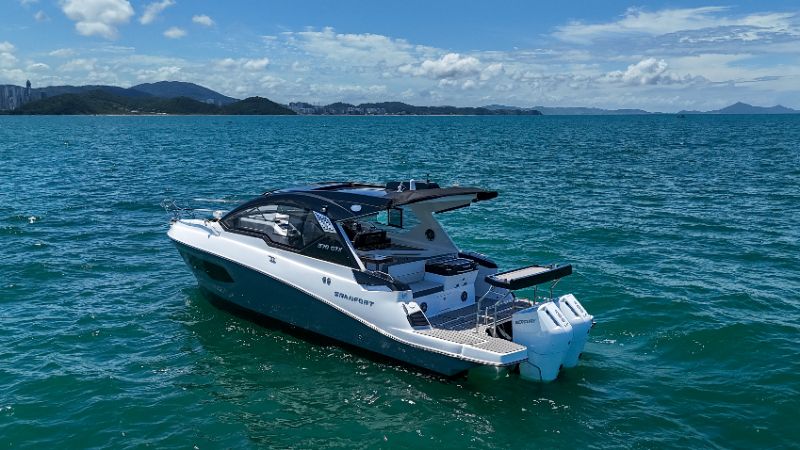
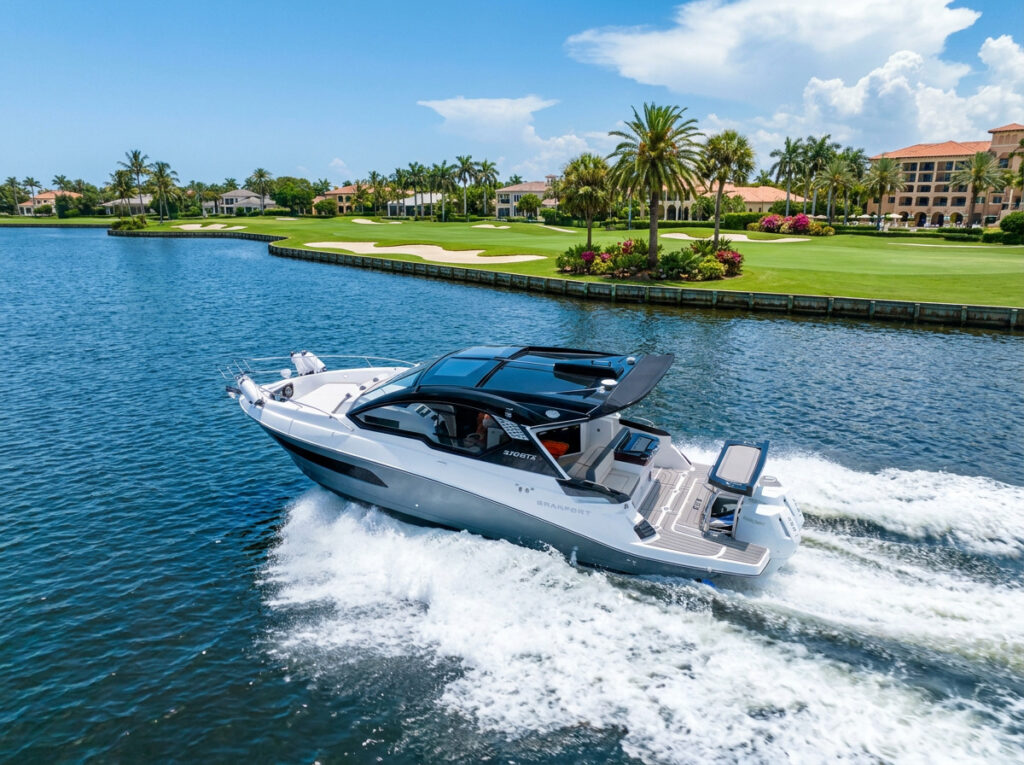
Nano Banana Pro   create one variation of the image attached  keep the boat exactly the same anlgle  (4)
Blog, Boat Buying Guide, Boat Comparisons

Granfort 370 GTX vs NX 370 HT Sport Coupe

Granfort Buying Comparison Guide Granfort 370 GTX vs NX 370 HT Sport Coupe What buyers need to know. The NX 370 HT Sport Coupe has a strong first impression: hardtop styling, protected cockpit feel, high day capacity, and feature-loaded customization. The Granfort 370 GTX answers with a different ownership case: wider beam, lighter hull, more fuel, stronger speed positioning, ABYC + U.S. Coast Guard confidence, Porsche Consulting manufacturing credibility, and a 10-year structural hull-and-deck warranty. See the verdict Compare specs Key buying difference Granfort positioningOpen sport cruiser NX positioningHardtop sport coupe Granfort warranty10-year structural hull + deck NX warranty10-year hull 10yr Granfort structural warranty 50mph Granfort top speed 11.6ft Granfort beam 222gal Granfort fuel capacity ABYC + U.S. Coast Guard positioning Buyer education first Before choosing between these two boats, decide what kind of cruiser you really want. If you are comparing the Granfort 370 GTX and the NX 370 HT Sport Coupe, you are likely looking for a modern 37-foot Brazilian-connected outboard cruiser with strong design, overnight capability, premium amenities, and a real lifestyle experience on the water. The NX 370 HT Sport Coupe makes a strong first impression with its hardtop profile, enclosed feeling, sporty exterior, and feature-loaded personality. It is designed for buyers who like protection, presence, customization, and a coupe-style boating experience. The Granfort 370 GTX takes a more open sport-cruiser approach. It prioritizes cockpit connection, lighter handling, open-air usability, wider beam, stronger performance-to-weight logic, and a clearer U.S.-market trust message. Simple buying question: do you want a hardtop coupe experience, or a lighter, faster, more open sport cruiser with stronger structural warranty and certification confidence? Granfort 370 GTX · Open cockpit Where Granfort wins Open-air usability. Wider beam. Lighter feel. The Granfort 370 GTX is designed around connection to the water. Its open cockpit, open bow, wide beam, and sport-cruiser profile make the boat feel active, social, and easy to enjoy from the helm to the stern. Granfort’s listed dry weight is approximately 11,243–11,245 lb, while NX publishes a loaded weight around 19,400 lb. That weight difference matters every time the boat accelerates, gets on plane, burns fuel, or reacts to the throttle. ~11,245 lbGranfort dry weight 11’6″Granfort beam 222 galFuel capacity NX image slot Exterior hardtop profile Upload an official NX 370 HT exterior image to WordPress Media and replace NX_IMAGE_EXTERIOR_URL_HERE. NX 370 HT · Hardtop coupe profile What NX does well Hardtop style, protection, and feature-loaded appeal. The NX 370 HT Sport Coupe deserves respect. Náutica describes it as the largest NX model in the 30-foot range and highlights its genuine hardtop personality, technology, innovation, quality, sporty DNA, customized interior details, and large aft social area. NX also has a strong lifestyle argument: capacity for 16 people during the day and four overnight, plus a protected cockpit feel that appeals to buyers who prefer shade, shelter, and a more enclosed sport-coupe experience. 38’2″LOA with outboards 16 / 4Day / overnight 66 galFresh water Side-by-side data Granfort 370 GTX vs NX 370 HT: the numbers that matter. Both boats compete for buyers who want a premium 37-foot cruiser experience, but they solve the mission differently. NX leans into hardtop coupe style and high day capacity. Granfort leans into open sport-cruiser usability, performance-to-weight logic, fuel capacity, warranty depth, and U.S. standards confidence. Category Granfort 370 GTX NX 370 HT Sport Coupe Buyer meaning Positioning Open sport cruiser / coastal cruiser Hardtop sport coupe Different boating personalities: open-air performance vs protected coupe feel. LOA 36’2″ / 36.18 ft reference 35’11” / 38’2″ with outboards Both compete in the same 37-foot buyer class; NX stretches longer with outboards. Beam 11’6″ / 11.55 ft 10’8″ / 3.22 m Granfort is wider, which helps cockpit space, movement, and social comfort. Draft ~1’11” / 23″ 24″ Very close; Granfort holds a slight shallow-water advantage. Weight ~11,243–11,245 lb dry ~19,400 lb loaded Granfort has the stronger power-to-weight story and should feel more responsive. Fuel Capacity 222 gal 159 gal Granfort carries significantly more fuel in a lighter platform. Fresh Water 38–38.3 gal 66 gal NX carries more fresh water, a real advantage for longer time aboard. Cabin / Bathroom Height Cabin height reference around 6.24 ft 1.92 m cabin / 1.85 m bathroom NX has strong published interior-height data from Náutica. Max Power 2×400 HP / 800 HP 2×400 HP / 800 HP Same max horsepower, but Granfort has less weight to move. Top Speed Up to 50 mph Around 40 mph reference / not consistently published Granfort has the stronger published performance story. Day Capacity 14 day 16 day NX lists higher day capacity. Overnight Capacity 4 overnight 4 overnight Both support weekend use. Warranty 10-year structural hull + deck 10-year hull warranty Granfort’s structural warranty is broader because it includes hull and deck. Certification ABYC + U.S. Coast Guard positioning Not clearly published in comparison data Granfort gives the buyer a clearer U.S.-market standards answer. Brand proof Porsche Consulting production-process credibility Brazilian hardtop innovation and sport-coupe design Different credibility stories: process and certification vs style and customization. Feature / benefit comparison What the specifications mean in real ownership. A good comparison is not just about numbers. The real question is what each number means when the buyer is docking, entertaining, cruising, sleeping aboard, maintaining the boat, or considering resale confidence. Buyer question Granfort 370 GTX answer NX 370 HT answer Advantage Which feels more open? Open bow, open cockpit, stronger connection to water. Protected hardtop coupe feel with large windows. Depends on buyer preference. Which feels sportier? Lighter hull, wider beam, stronger speed positioning. Heavier, more enclosed coupe style. Granfort Which has more protection? Open sport cruiser with hardtop / cover options. Genuine hardtop coupe profile. NX Which has stronger warranty confidence? 10-year structural warranty covering hull and deck. 10-year hull warranty. Granfort Which is better for U.S. buyer trust? ABYC + U.S. Coast Guard positioning. U.S. certification not clearly published in comparison data. Granfort Which is better for entertaining? Open-air cockpit flow, bow lounge, stern social area.
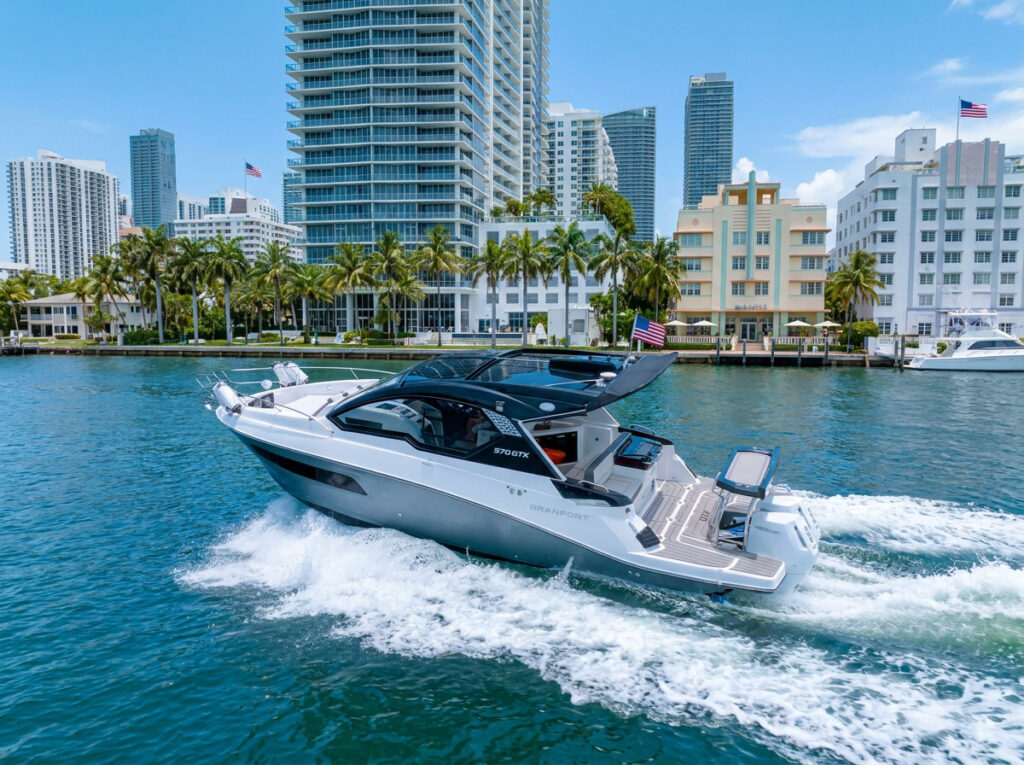
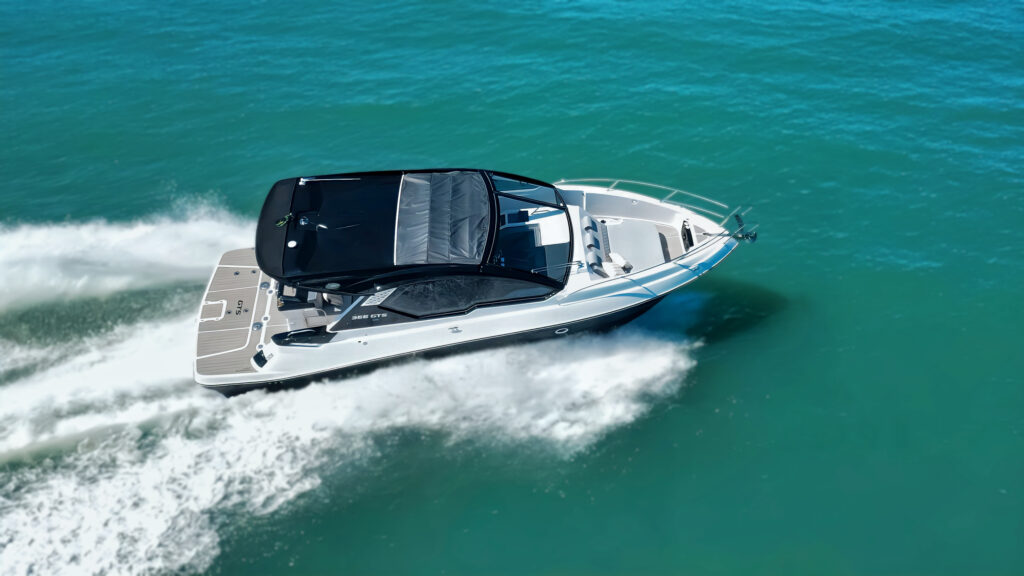
Nano Banana Pro   create one variation of the image attached  keep the boat exactly the same anlgle  (1)
Blog, Boat Buying Guide, Boat Comparisons

Granfort 370 GTX vs Hanover 387

Granfort Comparison Guide Granfort 370 GTX vs Sea Ray 320 Outboard What buyers need to know. Sea Ray is the familiar American choice. Granfort is the smarter value challenger. Before choosing between the Sundancer 320 Outboard and the Granfort 370 GTX, compare what matters after the first impression: size, performance, warranty, certification, cockpit flow, cabin comfort, and total ownership confidence. See the verdict Compare specs Key buying difference Granfort start$439,900–$440K Sea Ray configured ref.~$497K Granfort max power800 HP Sea Ray standard power700 HP 10yr Granfort structural warranty 50mph Granfort top speed 11.55ft Granfort beam 800hp Granfort max power ABYC + U.S. Coast Guard positioning Buyer education first Do not choose only by brand recognition. Choose by the full ownership equation. If you are comparing the Sea Ray Sundancer 320 Outboard and the Granfort 370 GTX, you are likely looking for a premium outboard cruiser with bow seating, cockpit comfort, overnight ability, joystick docking, and enough performance to make the ride part of the experience. Sea Ray deserves respect. The Sundancer 320 Outboard combines cruiser comfort and bowrider usability, offers three entertainment zones, sleeps four, and carries the confidence of a recognized American marine brand. Granfort answers with a stronger value story: more beam, lower weight, more available horsepower, higher top-speed positioning, 10-year structural warranty, ABYC + U.S. Coast Guard positioning, and Porsche Consulting manufacturing-process credibility. Simple buying question: do you want the safe known-name choice, or the boat that gives you more warranty confidence, stronger performance-to-weight logic, and more boat for the money? Granfort 370 GTX · Cockpit Where Granfort wins More beam. Less weight. More confidence underway. Sea Ray has a strong, refined 32-foot cruiser package. But Granfort brings a larger-feeling platform with an 11.55 ft beam, a dry weight around 11,243 lb, and engine options up to twin 400 hp. That gives Granfort a stronger power-to-weight argument. Less weight to push can mean a more responsive helm feel, quicker planing, and a more exciting sport-cruiser experience. ~11,243 lbGranfort dry weight 11.55 ftGranfort beam 800 hpMax power Sea Ray 320 OB · Known brand What Sea Ray does well Brand recognition, polished comfort, and three entertainment zones. The Sea Ray Sundancer 320 Outboard is a respected competitor because it blends cruiser and bowrider personalities in a familiar, polished way. It offers an open bow, cockpit seating, an expansive cabin, standard twin Mercury 350 Verado V10 outboards, joystick piloting, and sleeping space for four. For buyers who prioritize brand familiarity first, Sea Ray is a comfortable choice. But once the decision moves into warranty length, horsepower, weight, beam, and price-to-spec value, Granfort becomes very difficult to ignore. 34’9″LOA with outboards 10’7″Beam 4Sleeps four Side-by-side data Granfort 370 GTX vs Sea Ray Sundancer 320 OB: the numbers that matter. Factor Granfort 370 GTX Sea Ray Sundancer 320 OB Buyer meaning Price reference $439,900–$440K starting / ~$547K full-spec reference ~$497K typical configured / up to ~$569K max reference Granfort has the stronger value-per-spec story. LOA 36.18 ft hull / 36’2″ reference 34’9″ with outboards / 36’4″ with outboards & anchor Sea Ray stretches with outboards and anchor; Granfort gives a larger hull platform. Beam 11.55 ft / 11’6″ 10’7″ Granfort is wider, supporting cockpit comfort and perceived space. Dry Weight ~11,243–11,245 lb 14,566 lb Granfort is significantly lighter. Max / Standard Power Up to 2×400 HP / 800 HP Standard 2×350 HP / 700 HP; optional 2×400 HP available Granfort makes 800 HP central to its performance story. Top Speed Up to 50 mph 47–49 mph WOT Granfort has the stronger top-speed positioning. Fuel Capacity 222 gal 220 gal Very similar; Granfort carries slightly more in a lighter boat. Fresh Water 38.3 gal 32 gal Granfort supports longer onboard use. Sleeps 4 overnight 4 overnight Both support weekend use. Warranty 10-year structural hull + deck 3-year bow-to-stern + 10-year limited structural hull/deck to original owner Granfort’s simple 10-year structural message is stronger for long-term confidence. Certification ABYC + U.S. Coast Guard positioning NMMA/ABYC positioning Both are credible; Granfort adds a strong U.S. Coast Guard trust message. Granfort 370 GTX · Helm Helm decision Technology should make the captain more confident. Granfort’s brochure highlights dual Simrad 12” screens: one dedicated to engine monitoring and the other to navigation. It also includes VHF radio communication, joystick steering, and responsive throttle controls within easy reach. Sea Ray also offers a strong helm, with a Dual Digital Dash using Simrad displays and standard joystick piloting. The difference is how Granfort ties technology into the full ownership message: safety, control, certification, and long-term structural confidence. Dual 12”Simrad screens VHFCommunication JoystickDocking control Sea Ray 320 OB · Helm Sea Ray strength Sea Ray delivers a very polished helm and comfort package. The Sundancer 320 Outboard offers twin Mercury 350 Verado V10 outboards with Joystick Piloting, SmartCraft Digital Throttle & Shift, e-Steering, and an intuitive helm station with Simrad touchscreen displays. It is a strong package. But Granfort’s buying case becomes stronger when the buyer asks what they get beyond the helm: more beam, less weight, higher max-power positioning, longer structural warranty language, and a lower price reference. Granfort 370 GTX · Cabin Weekend decision A real cruiser should work after sunset. The Granfort 370 GTX is not only a day boat. It carries 14 day guests and sleeps four overnight, with a cabin, galley, enclosed bathroom, and available comfort options such as a Fischer Panda 7 kW generator and 16,000 BTU air conditioning. Sea Ray also sleeps four and offers a refined cabin. The key is value: Granfort gives the weekend-cruising mission with stronger warranty confidence, wider beam, and a sportier performance story. 14 / 4Day / overnight 6.24 ftCabin height reference 38.3 galWater tank Sea Ray 320 OB · Bow lounge Lifestyle decision Sea Ray is comfortable. Granfort is more complete. Sea Ray’s open bow is one of its strongest lifestyle features, with lounge seating, adjustable headrests, and optional sun protection. It creates a comfortable daytime environment. Granfort should not attack that. Instead, the comparison should

Granfort 366 GTS Boat
Blog

Boat Safety And Navigation Tips Every Cruiser Owner Must Know

Owning a cruiser feels exciting because it gives you freedom, comfort, and room to explore. But a safe trip starts before the boat leaves the dock. Good boating is not about guessing. It is about planning, checking your gear, reading the water, and knowing what to do when conditions change. Granfort Boats USA shares these simple boat safety and navigation tips to help every cruiser feel more prepared, alert, and confident on the water. Start Every Trip with a Safety-First Mindset A safe cruiser owner does not wait for trouble before thinking about safety. Before every trip, check the weather, fuel level, engine area, bilge, batteries, navigation lights, radio, lines, fenders, and safety gear. Make sure each person has a properly fitting life jacket on board. Life jackets should be approved, in good condition, and the right size for the person using them. They work best when worn rather than stored under a seat. This is especially important for children, new swimmers, and anyone moving around the deck while the boat is underway. Safety also means knowing your limits. Do not push into rough weather just because the boat is large. Cruisers feel strong, but wind, current, fog, shallow water, and heavy boat traffic can still create risk. Tell someone on shore where you are going and when you expect to return. This is often called a float plan. It can be simple, but it should include your route, boat details, passenger count, and contact information. A short plan can help others act faster if you are late or unreachable. Know Your Navigation Tools Before You Need Them Navigation is not only about following a screen. A chartplotter, GPS, depth sounder, compass, paper chart, and your own eyes should work together. NOAA explains that nautical charts show important navigation details like water depths, shorelines, landmarks, and aids to navigation. These details help boaters avoid shallow spots, rocks, marked hazards, and restricted areas. Electronic charts are useful, but they should be kept updated and checked against real conditions on the water. Cruiser owners should learn the basic meaning of buoys, markers, channels, no-wake zones, and bridge clearances. Do not rely only on the last person’s track or a route saved from another day. Water levels, temporary hazards, construction zones, and traffic patterns can change. Slow down when you are unsure. Check your depth. Watch the colour of the water. Look for markers before turning. A good captain does not rush through confusing areas. They pause, confirm, and move with care. The Quiet Water Before Sunrise Tells a Better Story Picture your cruiser resting at the dock before sunrise. The cabin lights are soft, the deck is dry, and the water looks calm. This is the best time to notice small things that matter. Is the anchor secure? Are the dock lines ready to release? Is the VHF radio working? Are passengers wearing safe shoes? Is loose gear stored away? A peaceful start often leads to a better trip because nothing feels rushed. Now picture the same boat returning later in the day. The sun is lower, the marina is busier, and the wind has picked up. This is when preparation shows its value. A captain who checked the route, watched fuel use, and kept the deck clear will handle the return with less stress. A cruiser should feel like a place of comfort, not confusion. The beauty of boating is real, but it is best enjoyed when the basics are handled first. Follow the Rules of the Water Navigation rules are like road rules, but for boats. The U.S. Coast Guard explains that these rules help boaters avoid collisions when vessels cross, meet head-on, or overtake each other. Every cruiser owner should understand right-of-way basics, safe speed, sound signals, lights, and lookout duties. Even if another boat makes a poor move, you still need to act early enough to avoid danger. Safe boating is about prevention, not proving who was right. Keep a proper lookout at all times. That means watching with your eyes and ears, not just staring at the screen. Look for small boats, paddleboards, swimmers, floating debris, crab pots, wakes, and fast-moving traffic. At night, learn what different navigation lights mean. In fog or rain, slow down and use sound signals when required. If you are new to cruising, take a boating safety course. Training builds better habits and helps you react calmly when the water gets busy. Keep Your Cruiser Ready with a Simple Pre-Departure Checklist A cruiser has more systems than a small runabout, so small checks matter. Before leaving, inspect the engine space for fuel smell, oil leaks, loose belts, or standing water. Turn on the blower if your boat uses one and follow the maker’s instructions. Test the horn, VHF radio, navigation lights, bilge pump, and batteries. Check that hatches are closed, passengers are seated safely, and heavy items are not sliding around. These small steps can stop big problems before they begin. Use this quick checklist before each trip: Check weather, tides, current, and route. Confirm enough fuel, plus a safe reserve. Make sure every person has a proper life jacket. Test the VHF radio, horn, lights, GPS, and bilge pump. Store loose bags, coolers, tools, and dock lines. Review basic rules with guests before leaving. Keep a first aid kit, fire extinguisher, and throwable device ready. Tell someone your plan and return time. Do not treat the checklist like a boring habit. Treat it like part of being a good captain. Guests may not notice when everything goes right, but they will feel the calm that comes from a prepared boat. Granfort Boats USA recommends using the same routine every time, even for short rides. Most problems do not care how close you are to the dock. Handle Speed, Wakes, and Weather with Care Speed should match the water, traffic, visibility, and your skill level. A cruiser may feel smooth at higher speeds, but it still needs room to stop and

DJI Jan 15 2025.jpg
Blog

How to Prepare for Your First Sea Trial: Checklist & Tips

Your first sea trial is more than a fun ride. It is your chance to see how a boat truly performs on the water before you make a final choice. Photos, listings, and dockside checks can only tell you so much. A sea trial shows how the boat starts, turns, planes, handles waves, and feels at different speeds. Granfort Boats USA created this simple guide to help you walk into your first sea trial prepared, calm, and ready to ask the right questions. What Is a Sea Trial and Why Does It Matter? A sea trial is a test run on the water before buying a boat. It is similar to test-driving a car, but it gives you much more to check. A boat may look clean at the dock, but the real test starts when the engine is under load, the hull meets chop, and the systems are in use. During the sea trial, you can see how the boat starts from cold, shifts into gear, reaches cruising speed, turns, stops, and reacts to normal boating conditions. You can also notice vibration, smoke, strange sounds, slow acceleration, steering issues, or weak electronics. These things are hard to judge from a listing or a quick walkaround. For a first-time buyer, a sea trial can protect you from a costly mistake. It helps you understand if the boat matches your skill level, comfort needs, and planned use. A family cruiser should feel steady and safe. A fishing boat should have open space and good control. A performance boat should feel balanced, not scary. Granfort Boats USA always suggests treating the sea trial as a serious inspection, not just a pleasant ride. Go in with notes, stay alert, and do not let excitement make you ignore warning signs. What to Do Before the Sea Trial Before the sea trial, gather as much information as you can. Ask for the boat’s service records, engine hours, ownership history, and any recent repairs. Check if the boat has had major work, such as engine rebuilds, new electronics, fuel system repairs, or hull repairs. If the boat has been sitting for a long time, ask why. A clean boat is nice, but clean cushions and fresh wax do not prove mechanical health. You need to know how the boat has been used, stored, and maintained. This gives you a better idea of what to watch during the trial. You should also plan the day with care. Try to test the boat in normal boating conditions, not only on perfectly flat water. Bring a notebook or use your phone for notes. Wear soft-soled shoes, dress for wind and spray, and bring a jacket if needed. Make sure the seller, broker, or captain knows what you want to test, including speed, steering, trim, electronics, and docking. If you are serious about buying, consider bringing a marine surveyor or mechanic. Their trained eye can catch issues that a new buyer may miss. Sea Trial Checklist: What to Bring and Check A sea trial feels easier when you have a clear checklist. Without one, it is easy to get distracted by the view, the sound of the engine, or the excitement of being on the water. You do not need to act like an expert, but you should stay organized. Check basic comfort, safety, systems, engine response, and handling. Pay attention to small details. A loose hatch, a weak bilge pump, a stiff steering wheel, or a fuel smell may point to a bigger issue. One small sign does not always mean trouble, but it should lead to better questions. Use this simple checklist during your first sea trial: Bring a notebook, phone, sunglasses, jacket, and soft-soled shoes. Check engine start-up, idle sound, smoke, smell, and vibration. Test forward, neutral, and reverse shifting. Watch how fast the boat gets on plane. Check steering at slow speed and cruising speed. Test trim tabs, gauges, GPS, radio, lights, and bilge pump. Look for water in the bilge after running. Notice seat comfort, visibility, noise level, and deck movement. Ask about any sounds, delays, warning lights, or strange smells. Take notes before you forget details. After the run, do not rush your decision. Step back on the dock and look at the boat again. Check the engine area if it is safe to do so. Look for leaks, hot smells, loose belts, or fresh fluid under the engine. Ask if anything during the test felt different from normal. A good seller should answer calmly and clearly. If answers feel rushed or unclear, take your time. The sea trial is not only about how the boat runs. It is also about how honest and prepared the seller seems. Watch the Engine, Steering, and Handling The engine is one of the most important parts of the sea trial. Start by noticing how it fires up. A healthy engine should not struggle for a long time before starting. At idle, listen for uneven sounds, shaking, knocking, or rough running. When the boat moves, the engine should respond smoothly as power increases. Hard hesitation, heavy smoke, strong fuel smell, or sudden warning alarms should not be ignored. Watch the gauges too. Oil pressure, temperature, voltage, and RPM readings should stay within the proper range for that boat and engine. Handling matters just as much. At slow speed, the boat should shift cleanly and respond without too much delay. When turning, it should feel controlled, not loose or unstable. At cruising speed, notice if the wheel pulls hard to one side or if the boat leans more than expected. Test trim and trim tabs if the boat has them. They should help the boat ride better, not hide a problem. Also, watch how the boat crosses small waves or wakes. A good sea trial shows whether the boat feels safe, balanced, and comfortable for the way you plan to use it. A Clear Morning, Open Water, and the Moment the Boat Tells the Truth Picture the boat

Blog

How to Choose the Right Boat Size for Your Lifestyle

Choosing the right boat size is not just about length. It is about how you live, where you boat, who comes with you, and how much work you want to handle. A boat that feels perfect for one owner may feel too small, too large, or too costly for another. Granfort Boats USA created this guide to help you match boat size with your real lifestyle, so your time on the water feels easy, safe, and enjoyable. Start with How You Plan to Use the Boat The best boat size starts with your main reason for buying. Some people want short weekend rides. Others want fishing trips, family days, overnight stays, or long cruises. A small boat may be fine for quick rides near shore, but it can feel cramped when you bring guests, coolers, gear, and safety items. A larger boat gives more comfort, but it also needs more skill, fuel, storage, and care. Before looking at numbers, picture your normal boating day from start to finish. Think about your routine, not just your dream trip. Will you use the boat for two-hour sunset rides or full-day outings? Will you stay close to the marina or travel farther? Will you anchor, swim, fish, entertain, or sleep on board? These answers matter more than looks. A boat should fit your most common use first. Granfort Boats USA often recommends choosing a size that supports your real plans without making ownership harder than it needs to be. Match Boat Size with Your Passenger Needs Passenger count is one of the first things to consider. If you usually boat alone or with one other person, a smaller boat can be easier and more affordable. It may be simple to dock, clean, tow, and store. But if you often bring family, kids, friends, or guests, you need enough seating, shade, storage, and room to move safely. A boat may be rated for a certain number of people, but comfort is not the same as maximum capacity. A crowded boat can make even a short trip feel stressful. People need space for bags, towels, shoes, food, drinks, and life jackets. They also need safe places to sit when the boat is moving. If guests have to step over each other or hold gear in their laps, the boat may be too small for your lifestyle. The right boat size gives everyone room without making the boat feel too big for the captain to handle. Think About Your Home Waters Where your boat has a big impact. Calm lakes, protected bays, rivers, and coastal waters all feel different. A smaller boat can work well on quiet lakes or short trips in good weather. It may be easier to launch and operate. But in open water, stronger wind, heavier chop, or fast-changing weather can make a small boat feel less comfortable. Larger boats often ride smoother and give better protection, but they still need proper handling. Also think about depth, docks, bridges, ramps, and marina space. A larger boat may not fit every slip or pass under every bridge. It may need deeper water, wider turning space, or more careful docking. If you plan to trailer the boat, size matters even more. Bigger boats need stronger tow vehicles, larger trailers, and more planning at the ramp. The right size should match both the water and the places you launch, dock, and store the boat. Picture the Perfect Dockside Morning Imagine arriving at the dock early in the day. The water is calm, the deck is clean, and the boat is ready. If your perfect morning means loading a few snacks, taking a short ride, and returning before lunch, a smaller boat may give you all the freedom you need. It keeps the day simple. You spend less time preparing and more time enjoying the water. For many owners, that easy routine is exactly what makes boating fun. Now picture a longer day. Family steps aboard, kids bring towels, guests bring coolers, and everyone wants space to relax. You may want shade, a head, a small cabin, a swim platform, and more storage. In that case, a larger boat may fit better. This is where lifestyle becomes clear. The right boat size is the one that makes your best boating day feel natural, not crowded, rushed, or too much work. Comfort, Storage, and Onboard Features Comfort grows with space, but space must be useful. A larger boat may offer more seating, better shade, a cabin, a galley, a head, and room to sleep. These features matter if you plan to spend long hours on the water or take overnight trips. More size can also mean a smoother ride and more storage. This helps keep the deck clear, which makes the boat safer and more pleasant for everyone on board. Still, bigger is not always better. More features also mean more systems to maintain. A head needs cleaning and service. A cabin needs care. A galley, batteries, pumps, electronics, and air conditioning can add cost and time. If you only take short rides, you may not need all of that. Choose features you will truly use. A simple boat that fits your habits can bring more joy than a large boat filled with things you rarely need. Budget Beyond the Purchase Price Boat size affects your total cost of ownership. A larger boat usually costs more to fuel, insure, clean, dock, store, and maintain. It may also need more expensive parts, more labor, and more time for seasonal service. If it has twin engines, advanced electronics, plumbing, or cabin systems, costs can rise quickly. The purchase price is only one part of the real budget. You need to know what the boat will cost each month and each season. Smaller boats can be less costly, but they still need care. You may still pay for fuel, registration, safety gear, trailer service, storage, cleaning, and repairs. The best choice is a size you can afford without stress. A

Scroll to Top