How to Choose the Right Boat Size for Your Lifestyle

Choosing the right boat size is not just about length. It is about how you live, where you boat, who comes with you, and how much work you want to handle. A boat that feels perfect for one owner may feel too small, too large, or too costly for another. Granfort Boats USA created this guide to help you match boat size with your real lifestyle, so your time on the water feels easy, safe, and enjoyable.

Start with How You Plan to Use the Boat

The best boat size starts with your main reason for buying. Some people want short weekend rides. Others want fishing trips, family days, overnight stays, or long cruises. A small boat may be fine for quick rides near shore, but it can feel cramped when you bring guests, coolers, gear, and safety items. A larger boat gives more comfort, but it also needs more skill, fuel, storage, and care. Before looking at numbers, picture your normal boating day from start to finish.

Think about your routine, not just your dream trip. Will you use the boat for two-hour sunset rides or full-day outings? Will you stay close to the marina or travel farther? Will you anchor, swim, fish, entertain, or sleep on board? These answers matter more than looks. A boat should fit your most common use first. Granfort Boats USA often recommends choosing a size that supports your real plans without making ownership harder than it needs to be.

Match Boat Size with Your Passenger Needs

Passenger count is one of the first things to consider. If you usually boat alone or with one other person, a smaller boat can be easier and more affordable. It may be simple to dock, clean, tow, and store. But if you often bring family, kids, friends, or guests, you need enough seating, shade, storage, and room to move safely. A boat may be rated for a certain number of people, but comfort is not the same as maximum capacity.

A crowded boat can make even a short trip feel stressful. People need space for bags, towels, shoes, food, drinks, and life jackets. They also need safe places to sit when the boat is moving. If guests have to step over each other or hold gear in their laps, the boat may be too small for your lifestyle. The right boat size gives everyone room without making the boat feel too big for the captain to handle.

Think About Your Home Waters

Where your boat has a big impact. Calm lakes, protected bays, rivers, and coastal waters all feel different. A smaller boat can work well on quiet lakes or short trips in good weather. It may be easier to launch and operate. But in open water, stronger wind, heavier chop, or fast-changing weather can make a small boat feel less comfortable. Larger boats often ride smoother and give better protection, but they still need proper handling.

Also think about depth, docks, bridges, ramps, and marina space. A larger boat may not fit every slip or pass under every bridge. It may need deeper water, wider turning space, or more careful docking. If you plan to trailer the boat, size matters even more. Bigger boats need stronger tow vehicles, larger trailers, and more planning at the ramp. The right size should match both the water and the places you launch, dock, and store the boat.

Picture the Perfect Dockside Morning

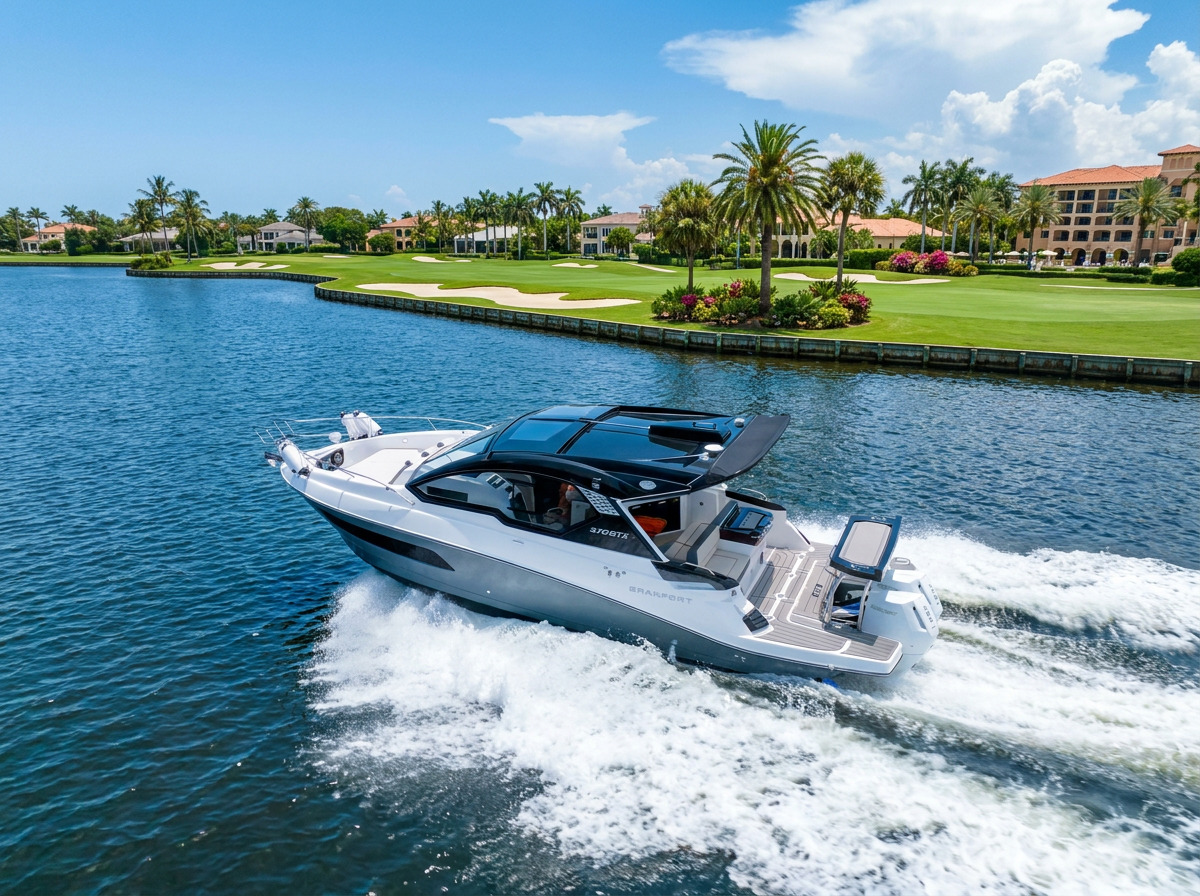
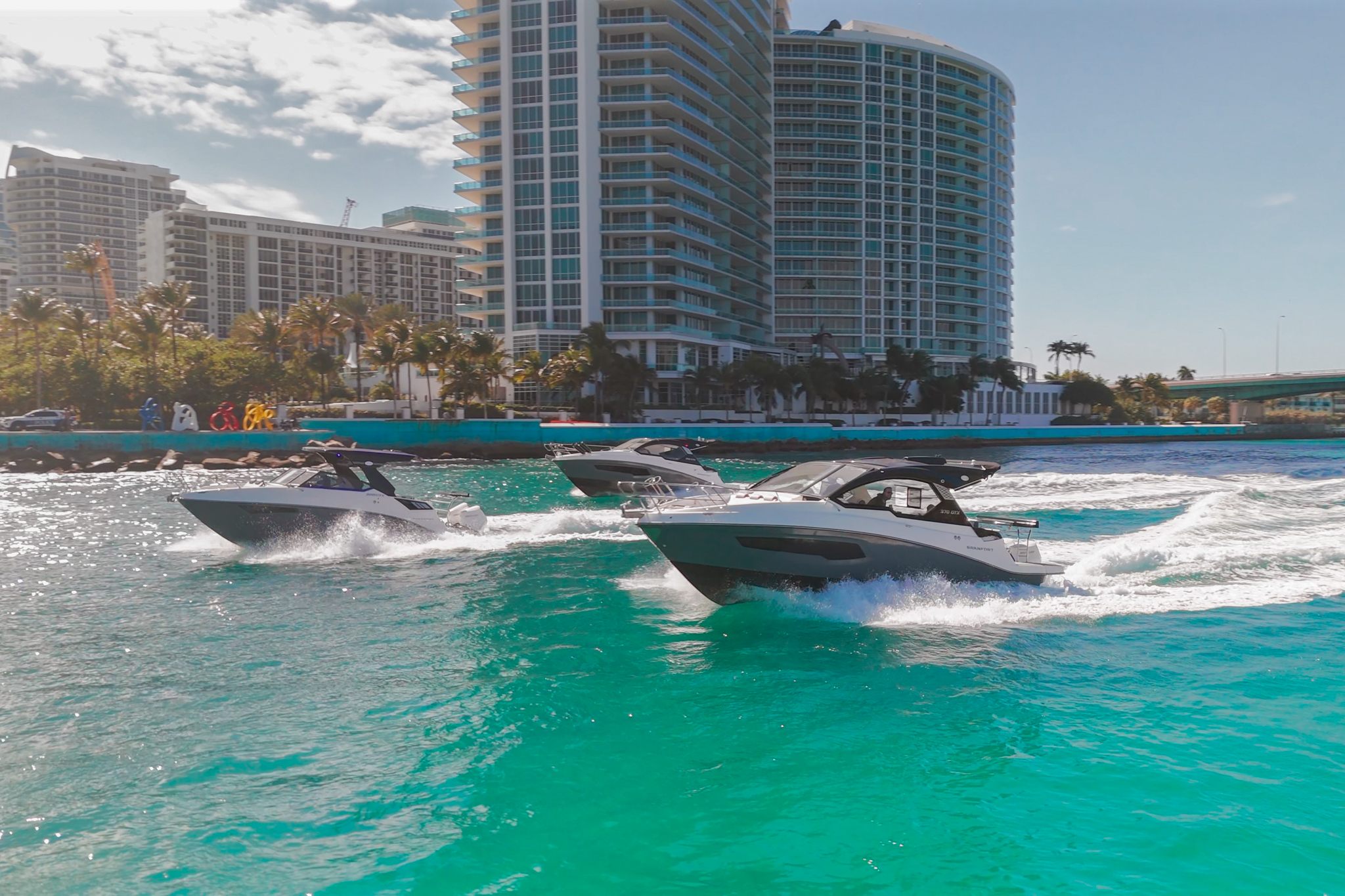
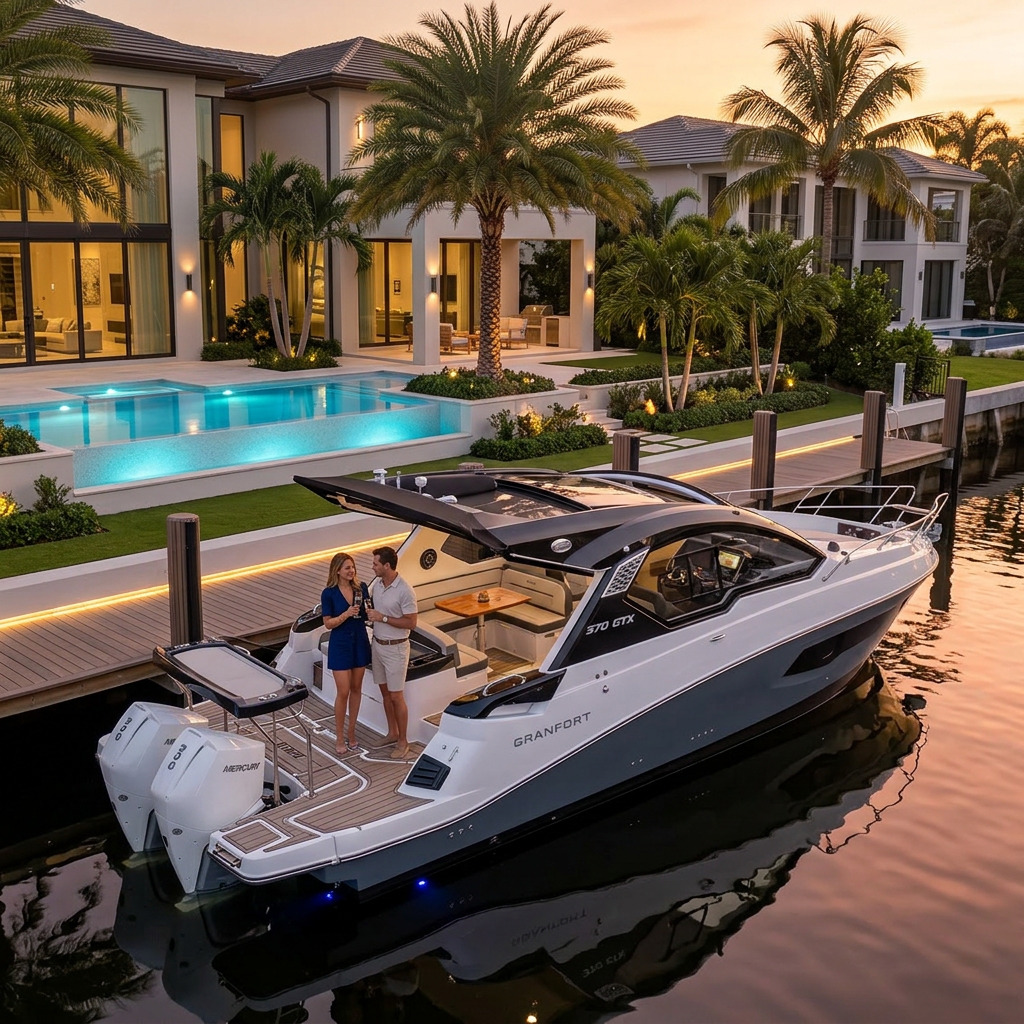
Imagine arriving at the dock early in the day. The water is calm, the deck is clean, and the boat is ready. If your perfect morning means loading a few snacks, taking a short ride, and returning before lunch, a smaller boat may give you all the freedom you need. It keeps the day simple. You spend less time preparing and more time enjoying the water. For many owners, that easy routine is exactly what makes boating fun.

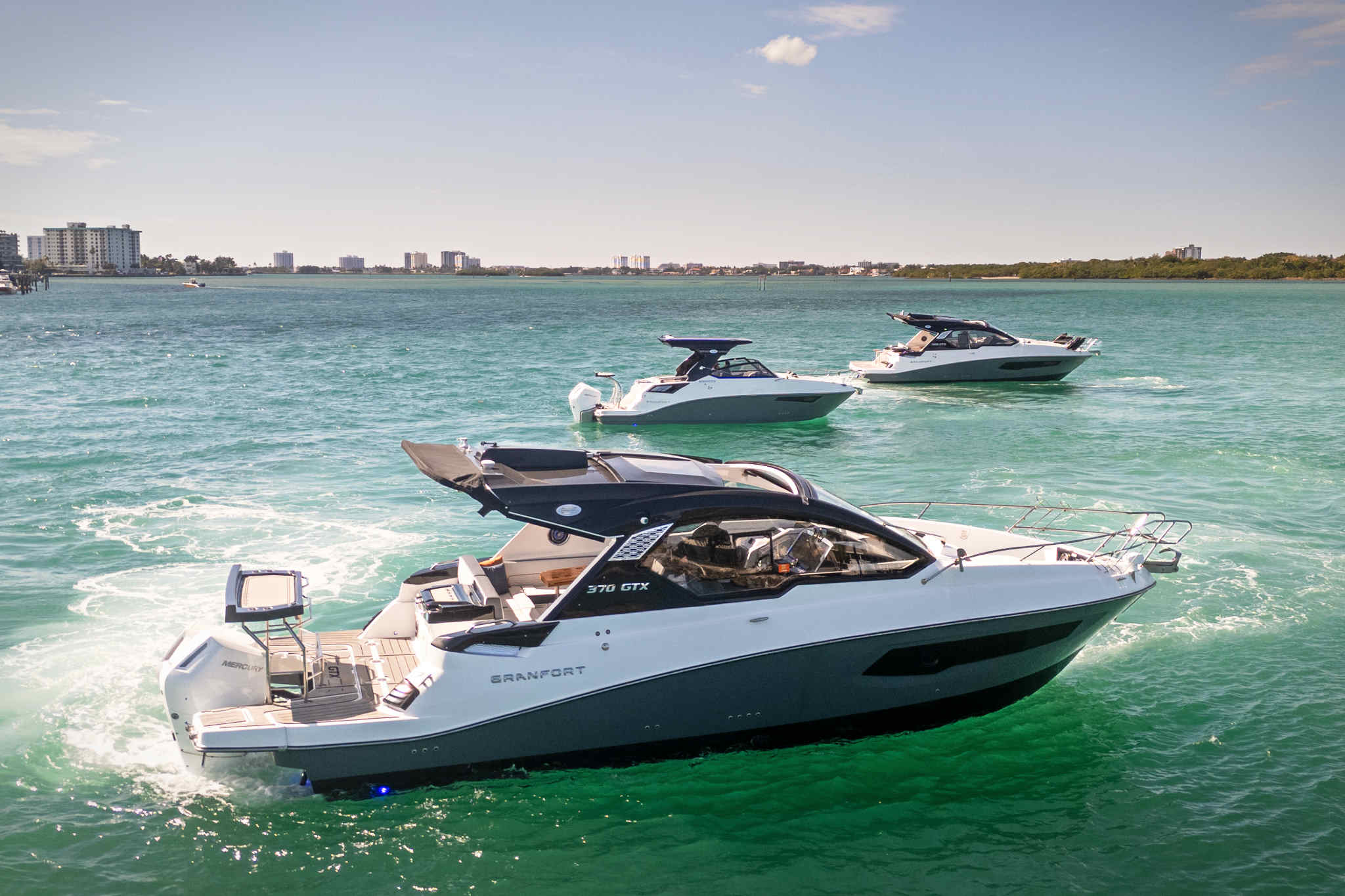
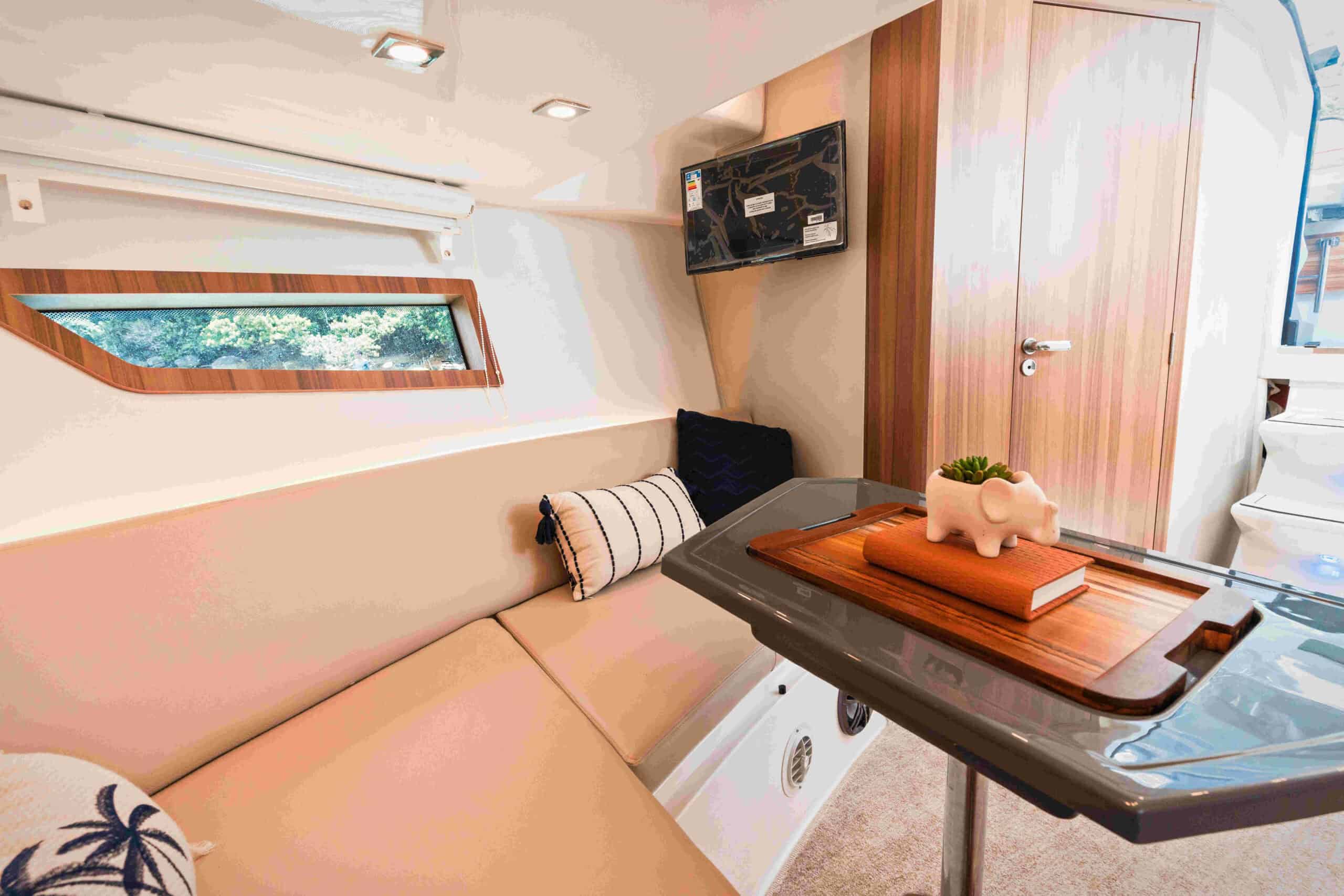
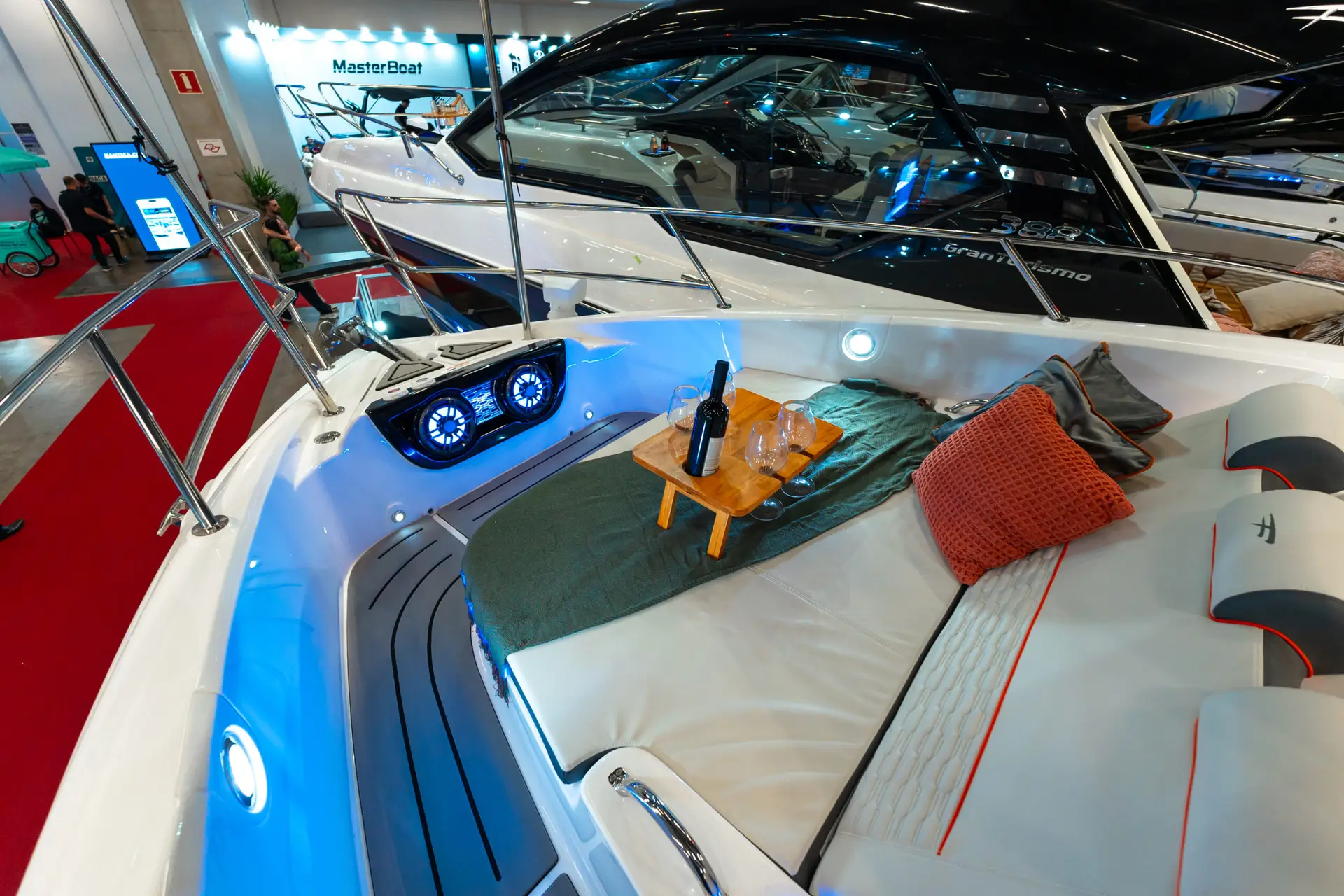
Now picture a longer day. Family steps aboard, kids bring towels, guests bring coolers, and everyone wants space to relax. You may want shade, a head, a small cabin, a swim platform, and more storage. In that case, a larger boat may fit better. This is where lifestyle becomes clear. The right boat size is the one that makes your best boating day feel natural, not crowded, rushed, or too much work.

Comfort, Storage, and Onboard Features

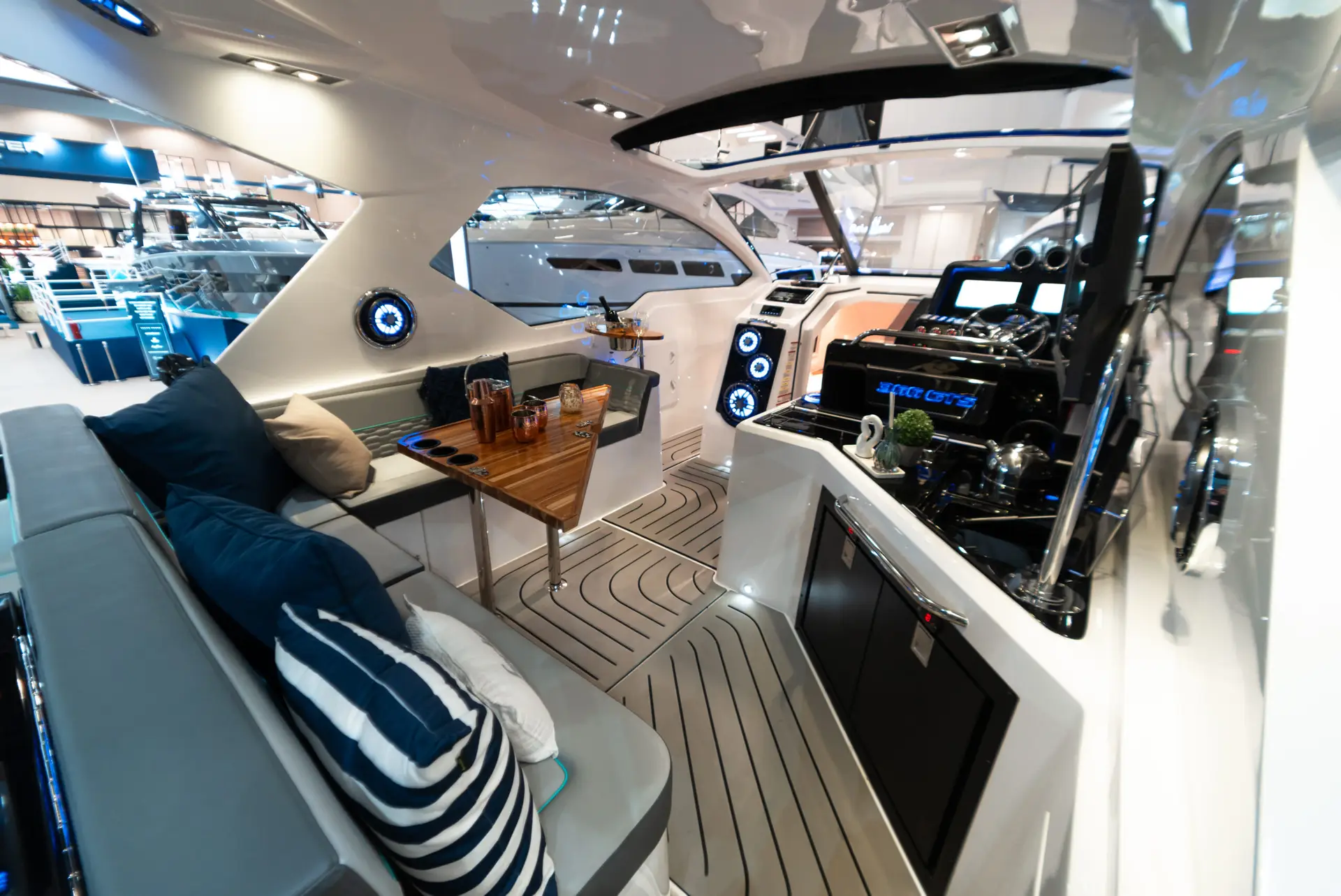
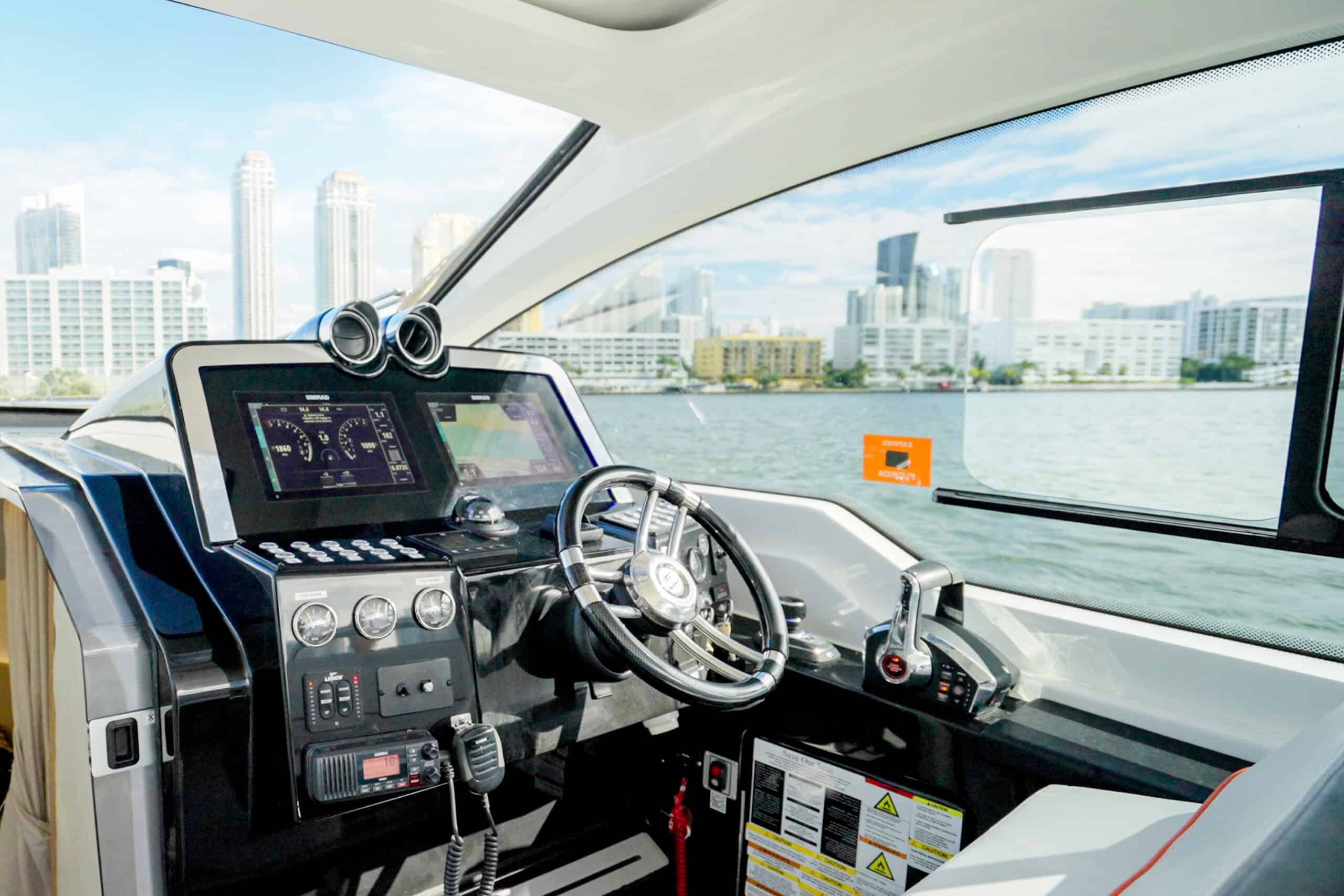
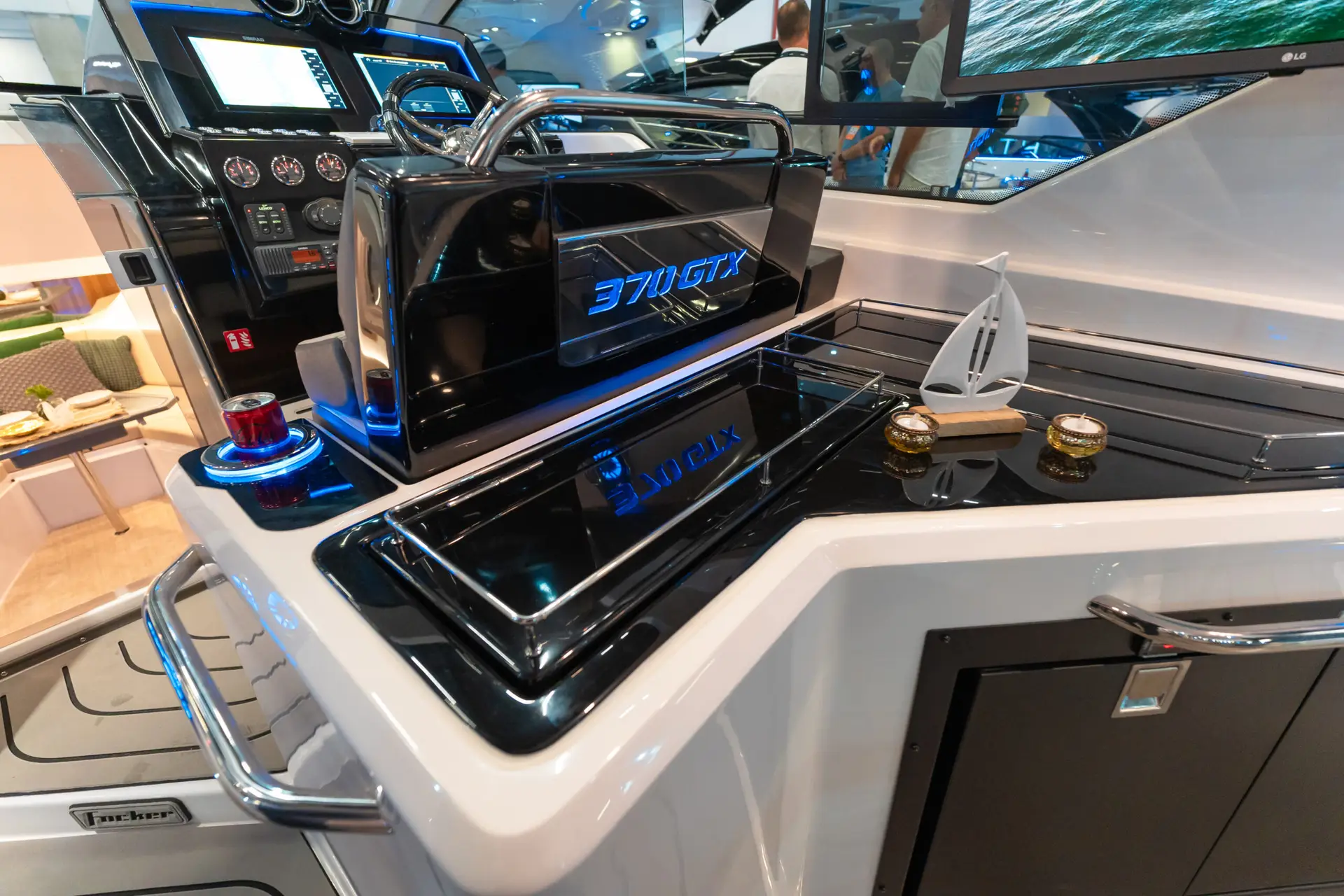
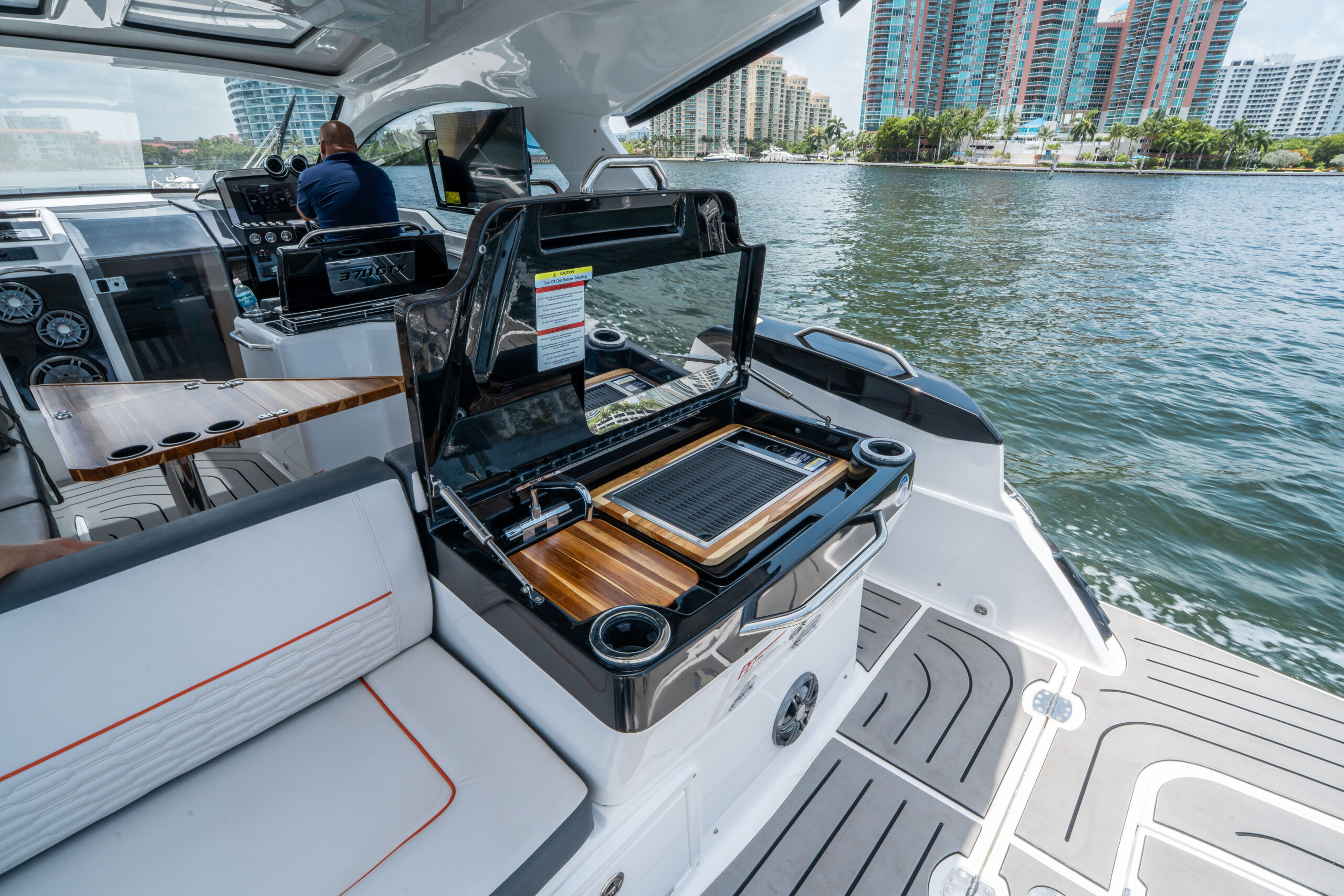
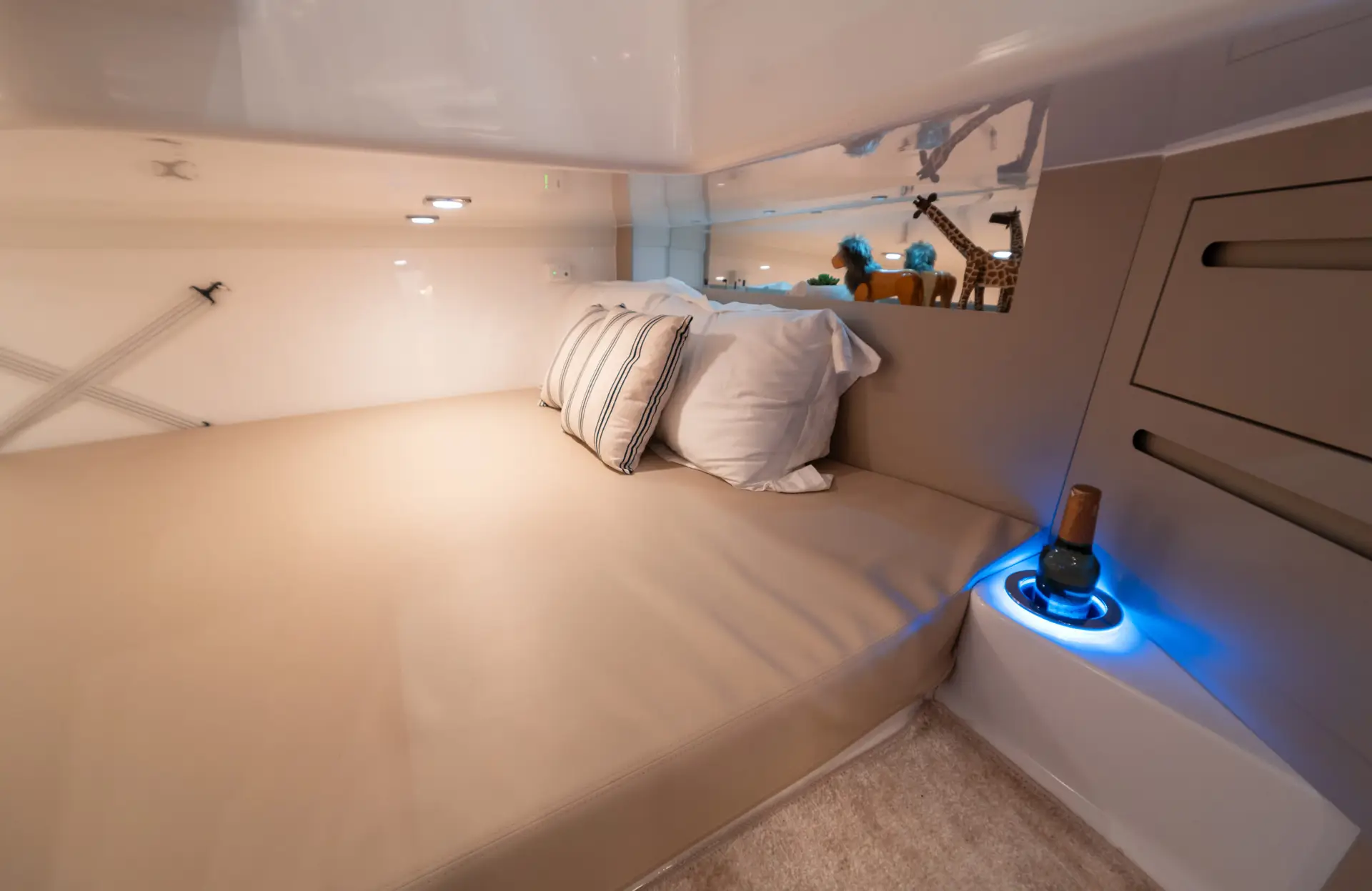
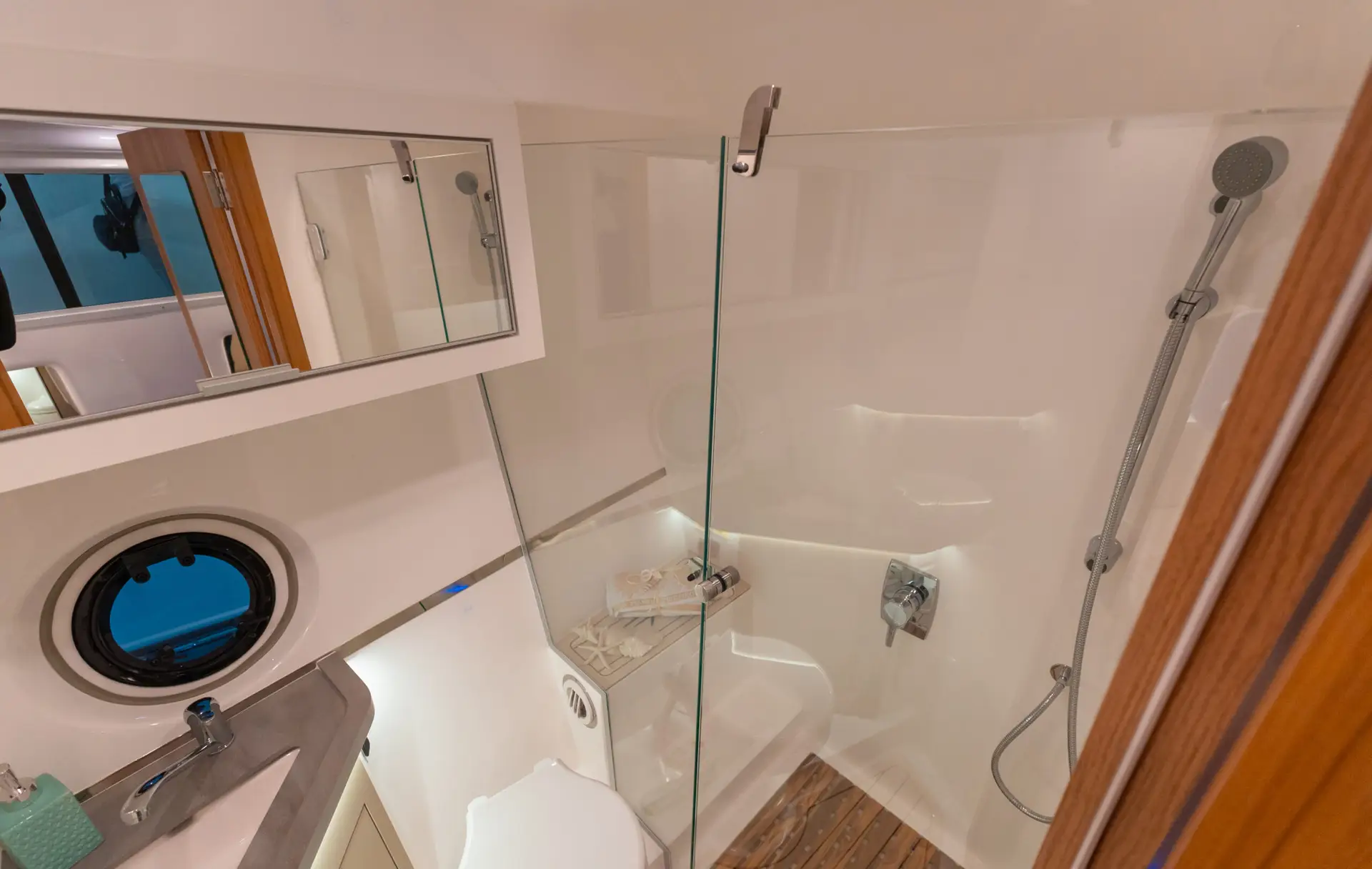
Comfort grows with space, but space must be useful. A larger boat may offer more seating, better shade, a cabin, a galley, a head, and room to sleep. These features matter if you plan to spend long hours on the water or take overnight trips. More size can also mean a smoother ride and more storage. This helps keep the deck clear, which makes the boat safer and more pleasant for everyone on board.

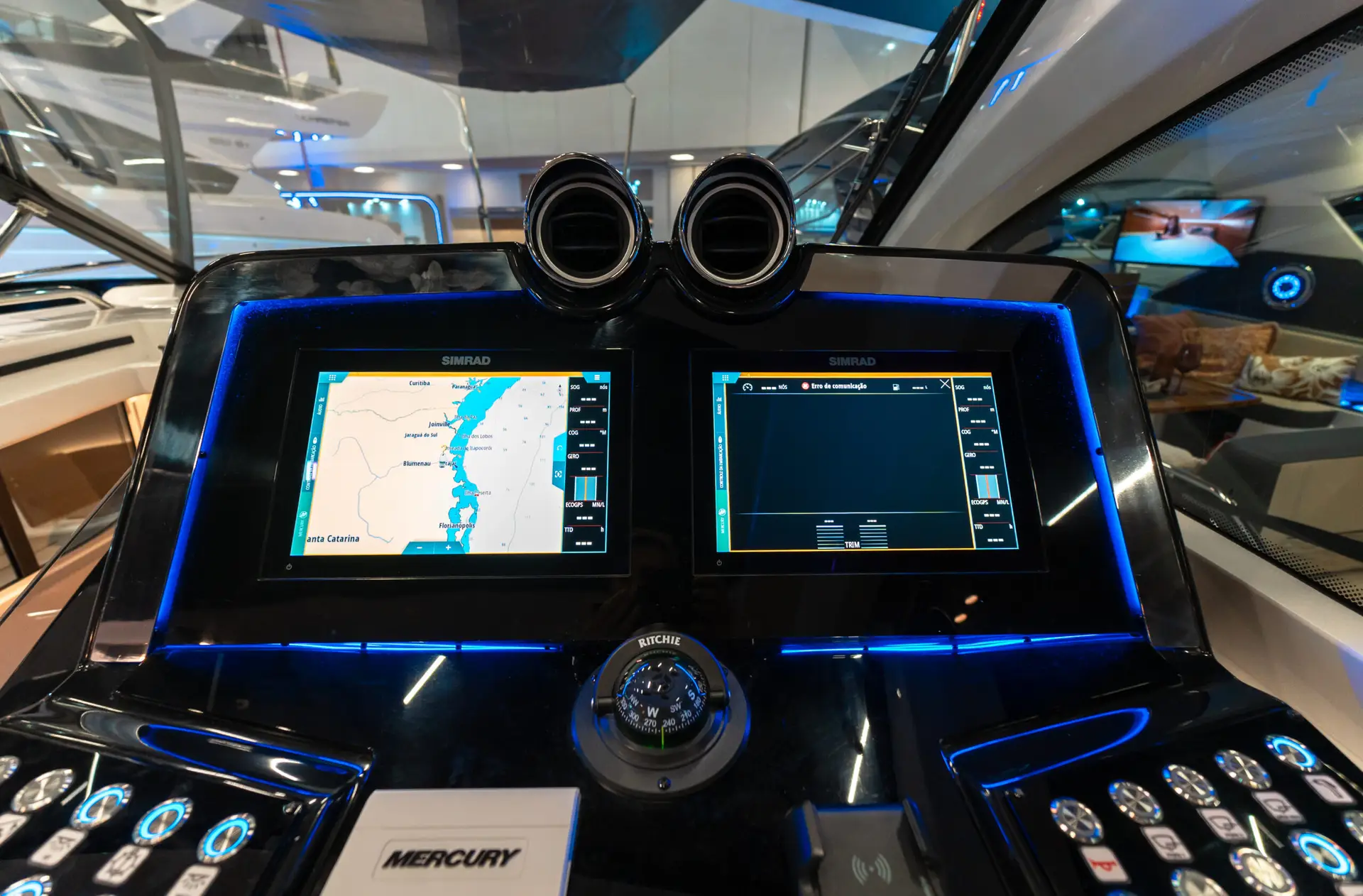
Still, bigger is not always better. More features also mean more systems to maintain. A head needs cleaning and service. A cabin needs care. A galley, batteries, pumps, electronics, and air conditioning can add cost and time. If you only take short rides, you may not need all of that. Choose features you will truly use. A simple boat that fits your habits can bring more joy than a large boat filled with things you rarely need.

Budget Beyond the Purchase Price

Boat size affects your total cost of ownership. A larger boat usually costs more to fuel, insure, clean, dock, store, and maintain. It may also need more expensive parts, more labor, and more time for seasonal service. If it has twin engines, advanced electronics, plumbing, or cabin systems, costs can rise quickly. The purchase price is only one part of the real budget. You need to know what the boat will cost each month and each season.

Smaller boats can be less costly, but they still need care. You may still pay for fuel, registration, safety gear, trailer service, storage, cleaning, and repairs. The best choice is a size you can afford without stress. A boat should improve your life, not make you worry every time it needs service. Granfort Boats USA suggests setting a budget for ownership first, then shopping within a size range that fits that budget.

Quick Boat Size Checklist Before You Buy

A simple checklist can help you avoid choosing by emotion alone. Boats are exciting, and it is easy to fall for a sleek design or a large deck. But the right size should match your daily use, not just your first impression. Before you decide, compare comfort, handling, cost, storage, and safety. Also, think about who will operate the boat most often. A boat that feels too big for the captain can become stressful fast.

Use this checklist before choosing your boat size:

  • How many people will usually come aboard?
  • Will you take short rides, full-day trips, or overnight cruises?
  • Do you need a cabin, head, galley, or extra shade?
  • Will you boat on lakes, rivers, bays, or open coastal water?
  • Can your dock, slip, trailer, or storage area handle the size?
  • Are you comfortable docking and handling the boat in wind?
  • Can you afford fuel, service, insurance, and storage?
  • Does the boat still feel safe and open when loaded with people and gear?

After you answer these questions, your best size range becomes clearer. You may find that you need more room than expected. You may also find that a smaller boat gives you everything you need with less stress. Do not choose based only on what looks impressive. Choose the size that fits your life on normal weekends, not rare once-a-year plans.

Skill Level and Handling Matter

A larger boat can feel stable on the water, but it can also be harder to control at the dock. Wind, current, tight slips, and crowded marinas can make handling more difficult. New owners should be honest about their skill level. A boat that feels exciting during a test ride may feel very different when you are docking it with people watching. Practice matters, but starting with a manageable size can build confidence faster.

Smaller boats are often easier to learn on, but they may feel more affected by waves and wind. Larger boats may ride smoother, but they need more planning and slower moves in close spaces. No matter the size, take a boating safety course and practice docking in calm conditions. The right boat should challenge you enough to grow, but not so much that every trip feels tense.

Final Thoughts: Choose the Size That Fits Your Real Life

The right boat size is not the biggest one you can buy. It is the one that fits your lifestyle, water conditions, passenger needs, budget, and comfort level. A smaller boat can be perfect for easy day trips and simple ownership. A larger boat can be better for family outings, rougher water, and overnight stays. Both can be great choices when they match how you actually boat.

Granfort Boats USA recommends choosing with your head and your lifestyle, not only your eyes. Walk through the boat. Picture your guests on board. Think about storage, docking, weather, fuel, and cleaning. Ask yourself how often you will use each feature. When the size feels right at the dock, on the water, and in your budget, you are much closer to a boat you will enjoy for years.

Scroll to Top