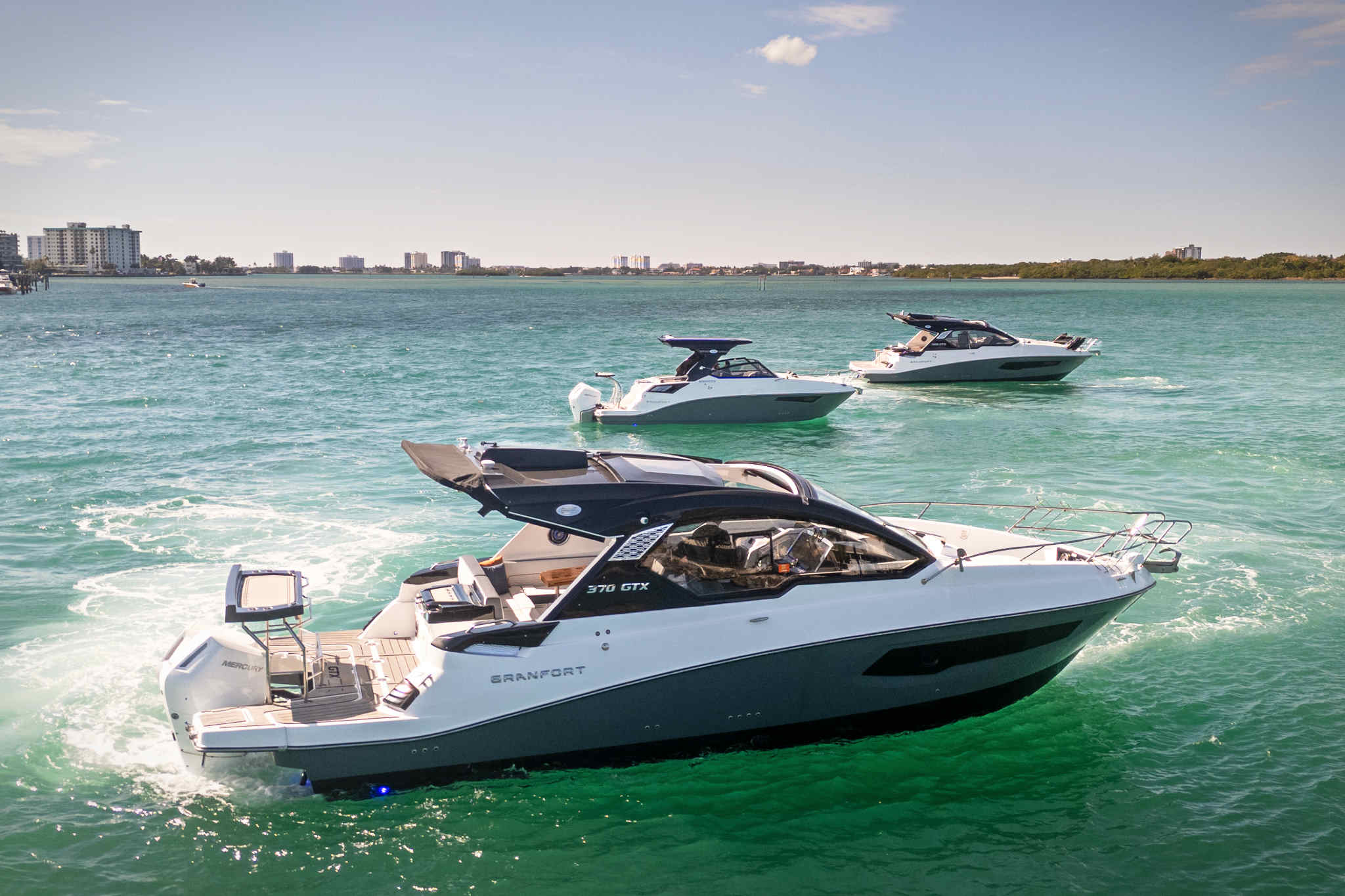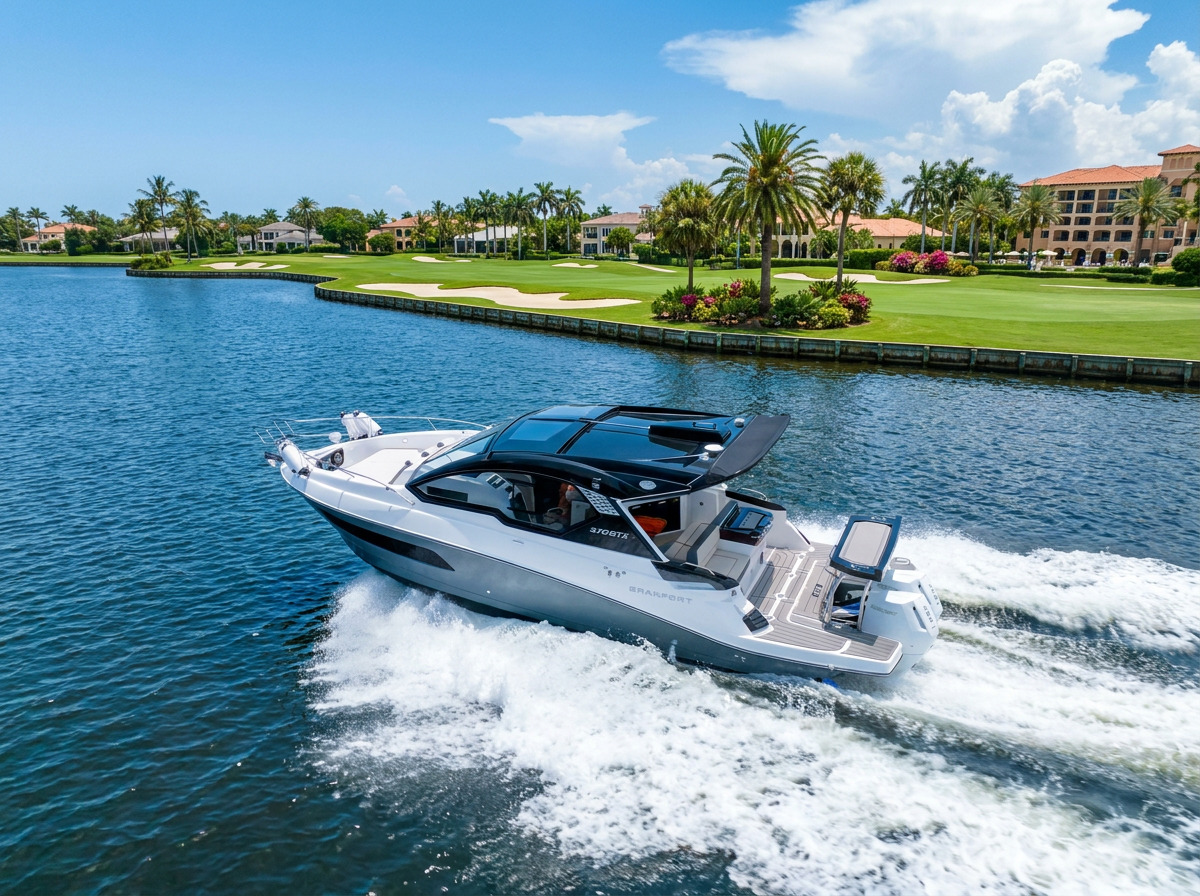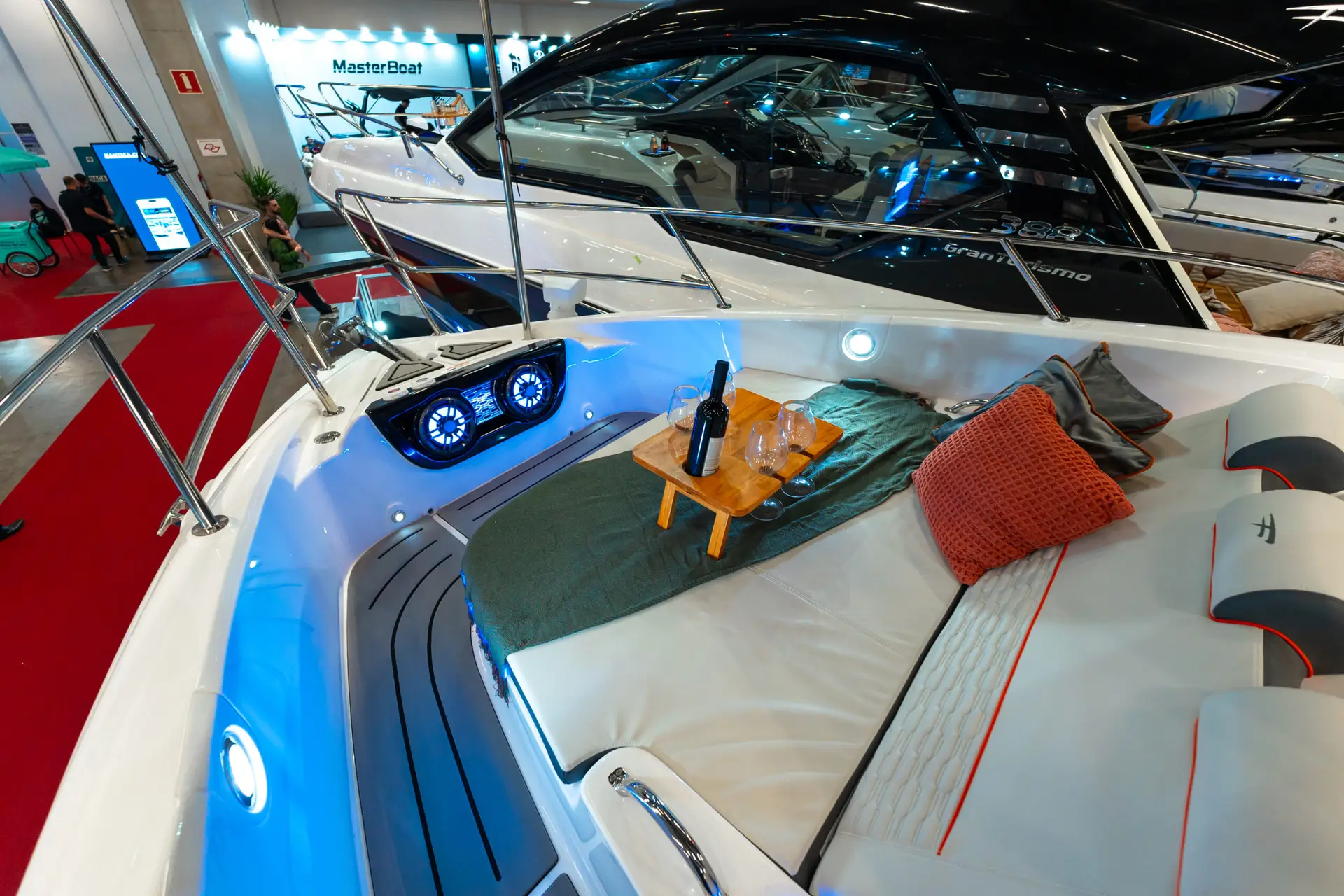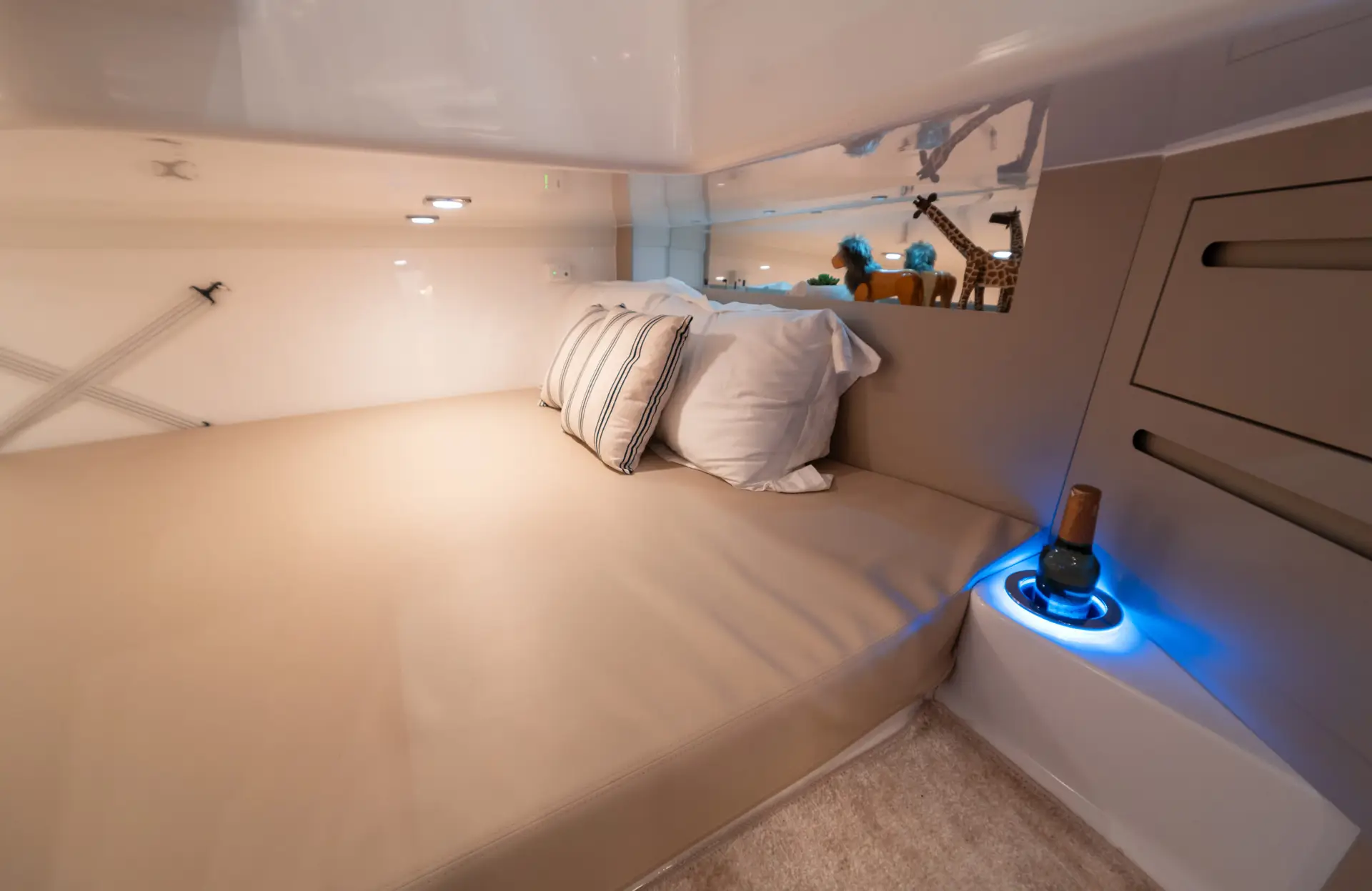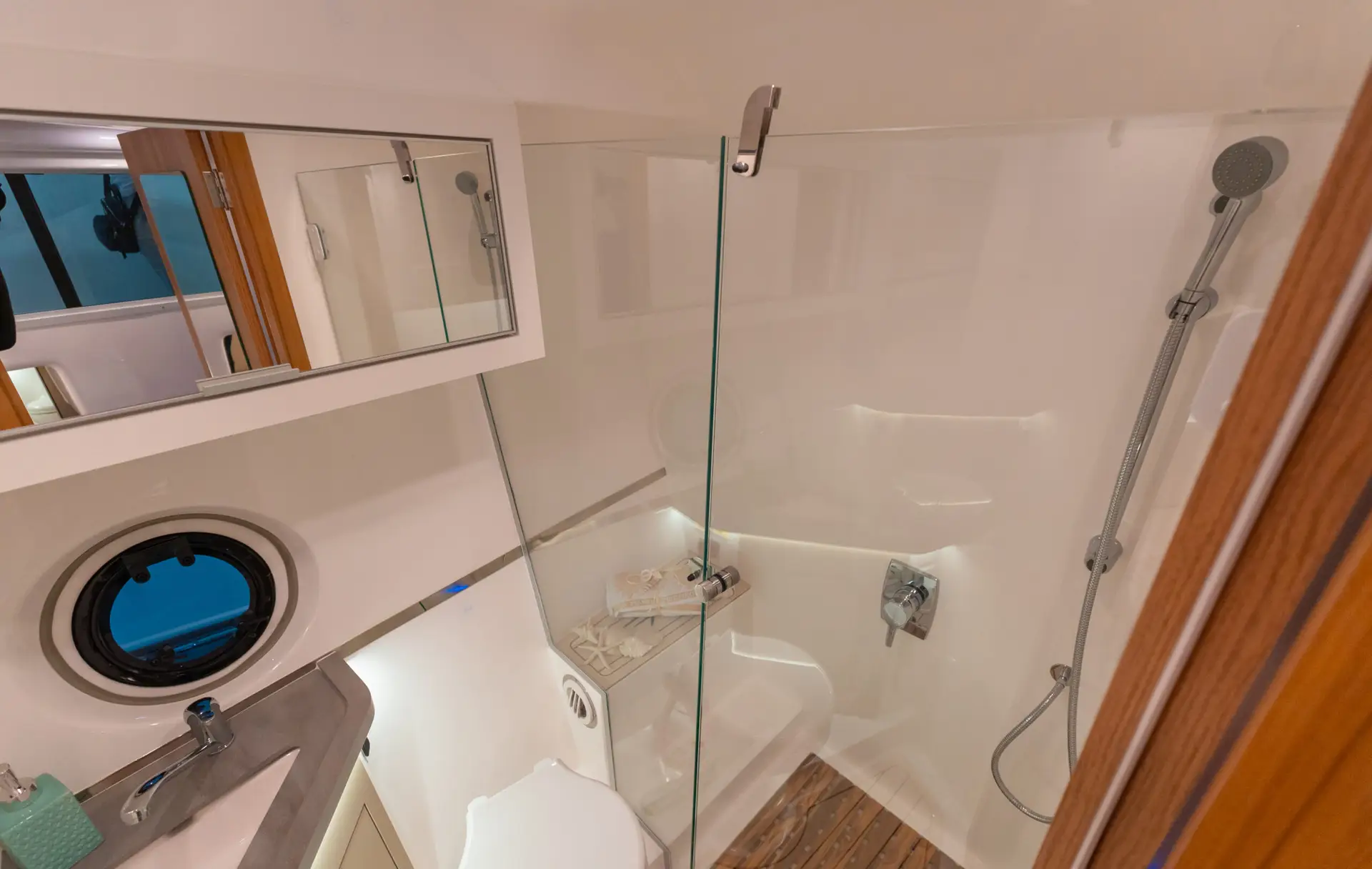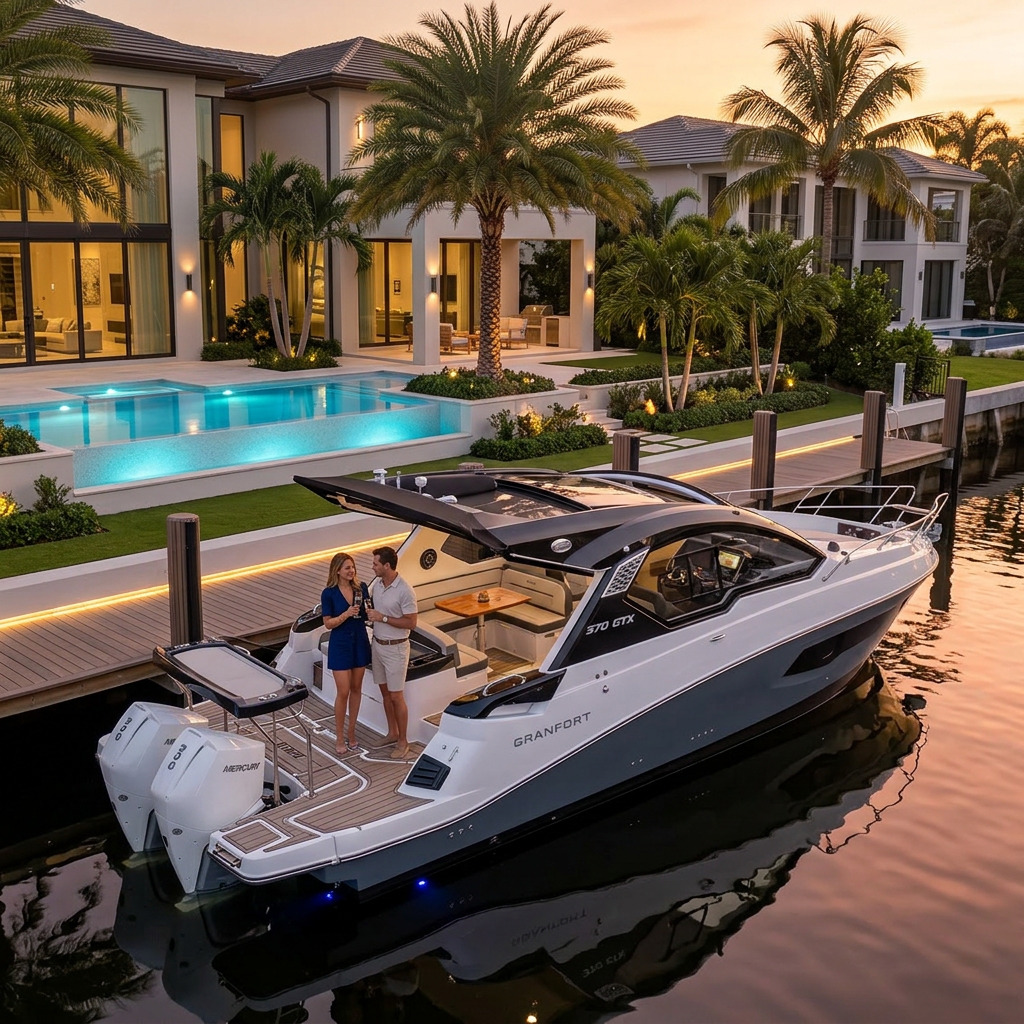
Owning a cruiser feels exciting because it gives you freedom, comfort, and room to explore. But a safe trip starts before the boat leaves the dock. Good boating is not about guessing. It is about planning, checking your gear, reading the water, and knowing what to do when conditions change. Granfort Boats USA shares these simple boat safety and navigation tips to help every cruiser feel more prepared, alert, and confident on the water.
Start Every Trip with a Safety-First Mindset
A safe cruiser owner does not wait for trouble before thinking about safety. Before every trip, check the weather, fuel level, engine area, bilge, batteries, navigation lights, radio, lines, fenders, and safety gear. Make sure each person has a properly fitting life jacket on board. Life jackets should be approved, in good condition, and the right size for the person using them. They work best when worn rather than stored under a seat. This is especially important for children, new swimmers, and anyone moving around the deck while the boat is underway.
Safety also means knowing your limits. Do not push into rough weather just because the boat is large. Cruisers feel strong, but wind, current, fog, shallow water, and heavy boat traffic can still create risk. Tell someone on shore where you are going and when you expect to return. This is often called a float plan. It can be simple, but it should include your route, boat details, passenger count, and contact information. A short plan can help others act faster if you are late or unreachable.
Know Your Navigation Tools Before You Need Them
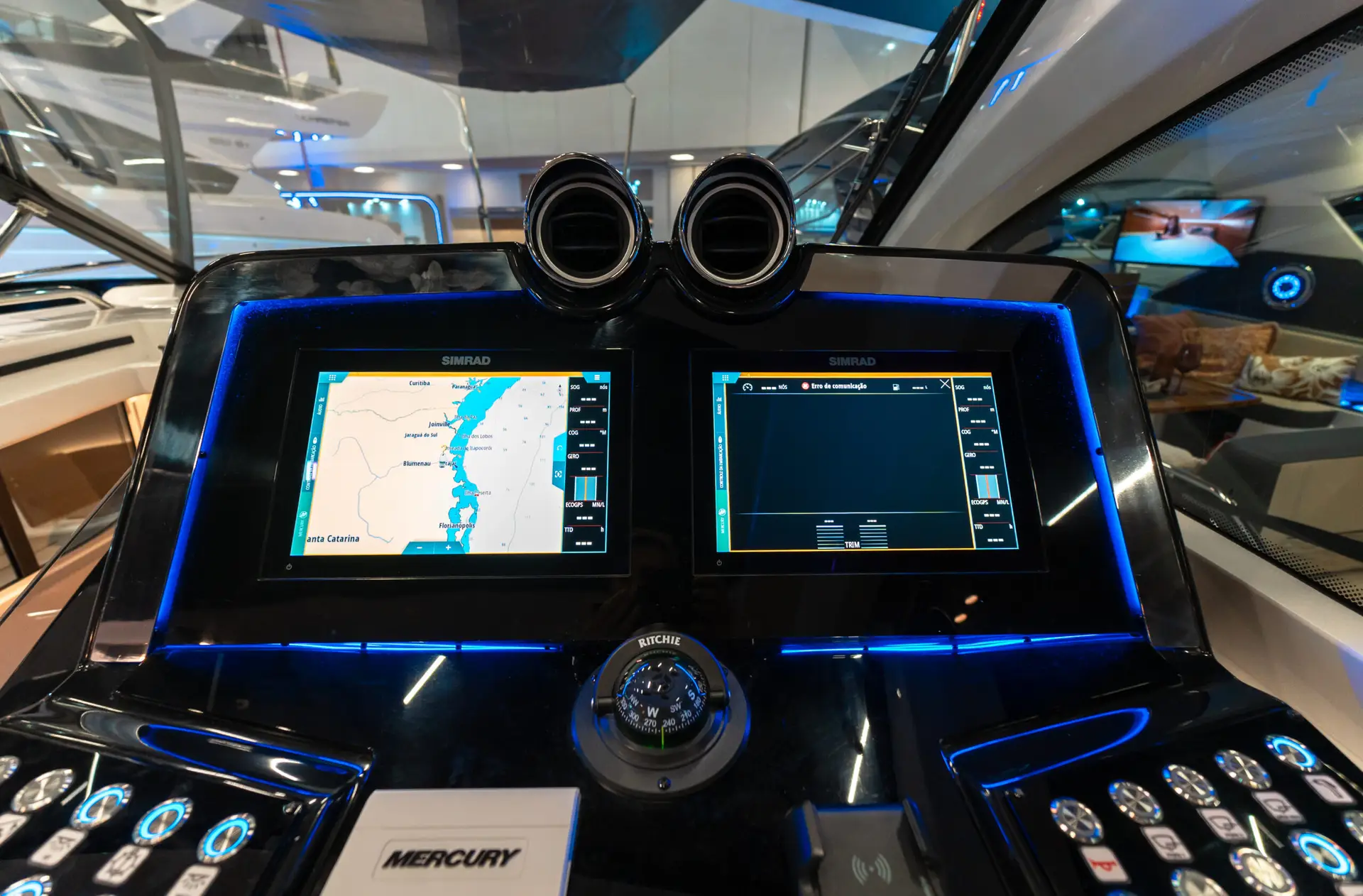
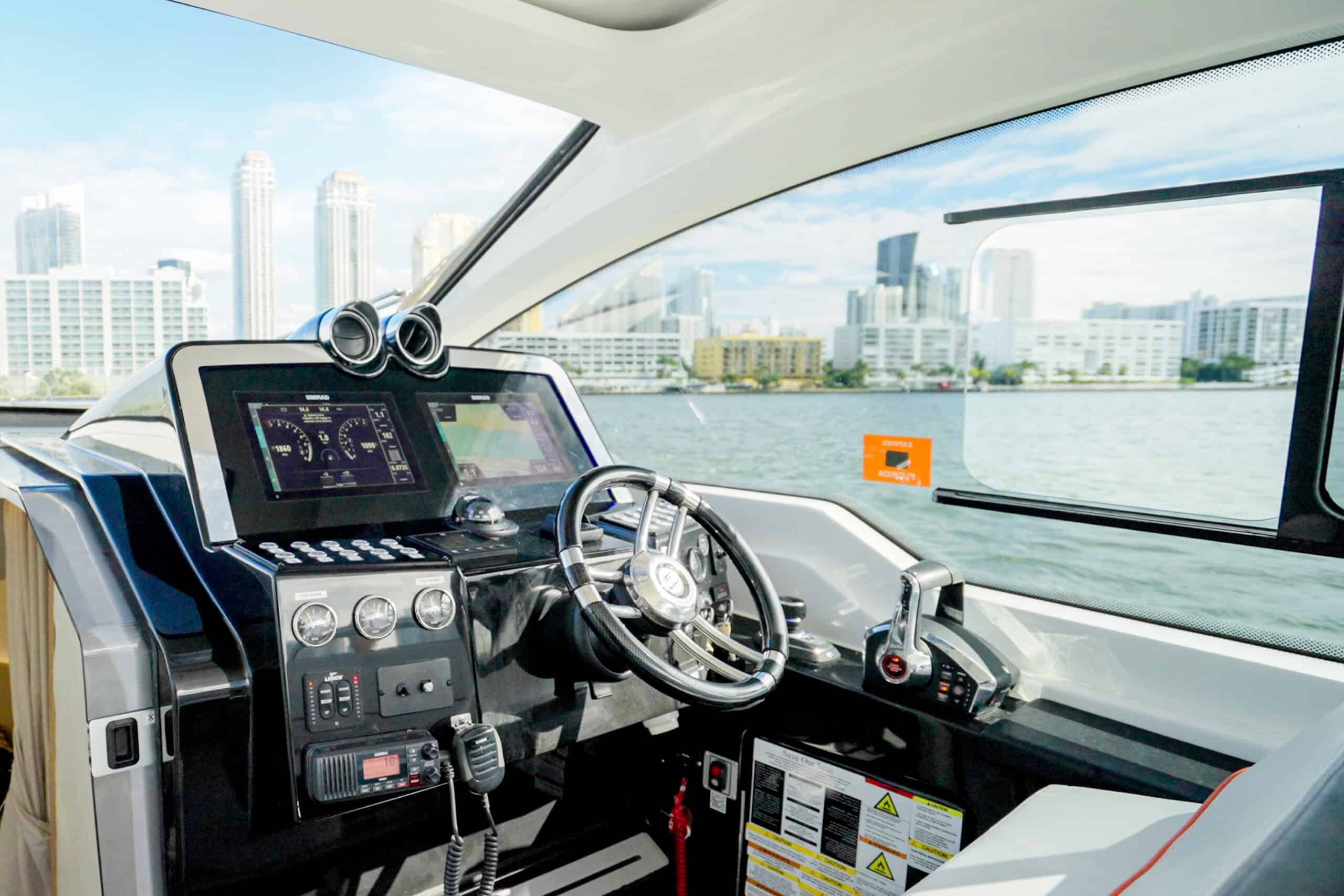
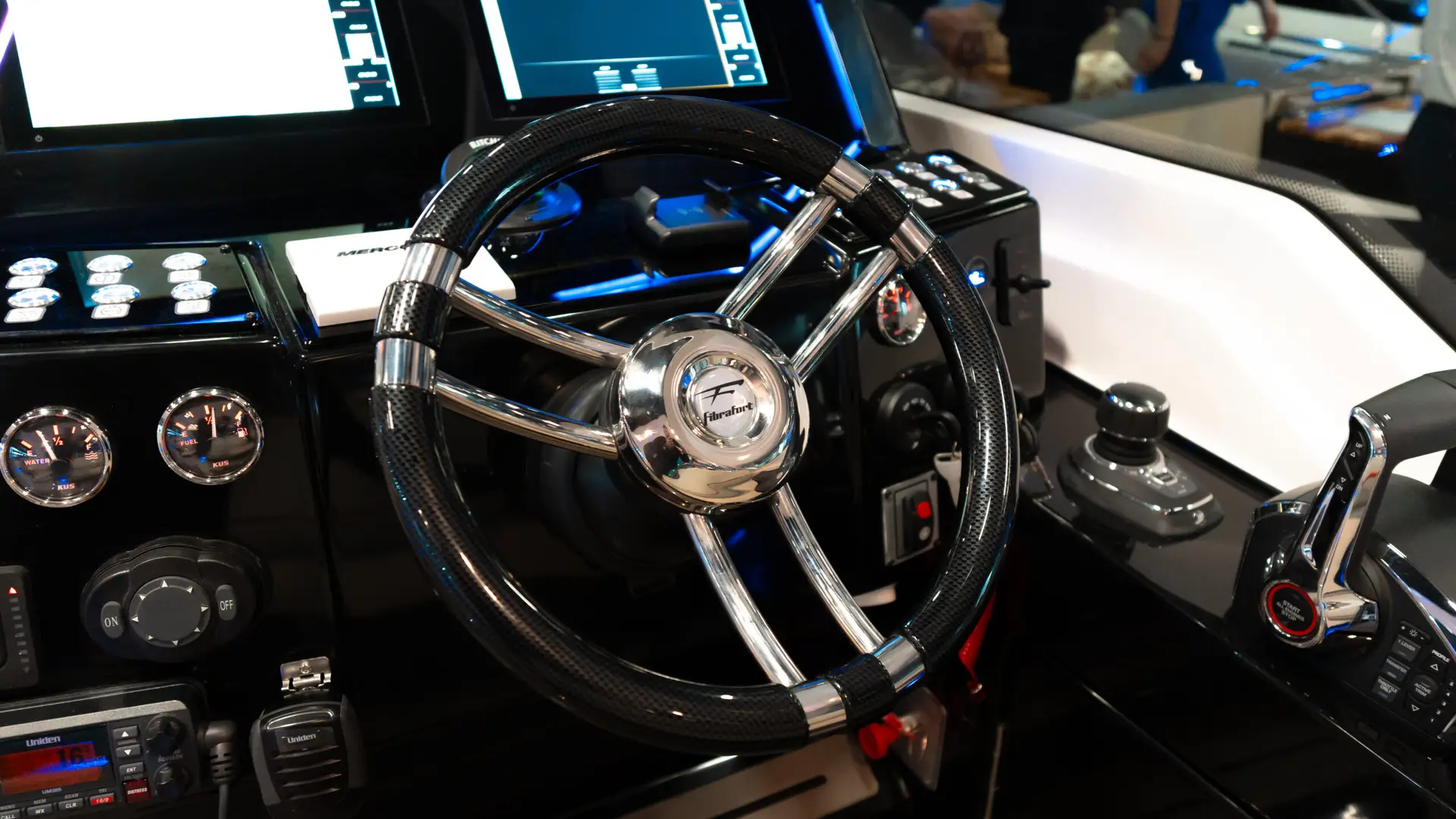
Navigation is not only about following a screen. A chartplotter, GPS, depth sounder, compass, paper chart, and your own eyes should work together. NOAA explains that nautical charts show important navigation details like water depths, shorelines, landmarks, and aids to navigation. These details help boaters avoid shallow spots, rocks, marked hazards, and restricted areas. Electronic charts are useful, but they should be kept updated and checked against real conditions on the water.
Cruiser owners should learn the basic meaning of buoys, markers, channels, no-wake zones, and bridge clearances. Do not rely only on the last person’s track or a route saved from another day. Water levels, temporary hazards, construction zones, and traffic patterns can change. Slow down when you are unsure. Check your depth. Watch the colour of the water. Look for markers before turning. A good captain does not rush through confusing areas. They pause, confirm, and move with care.
The Quiet Water Before Sunrise Tells a Better Story
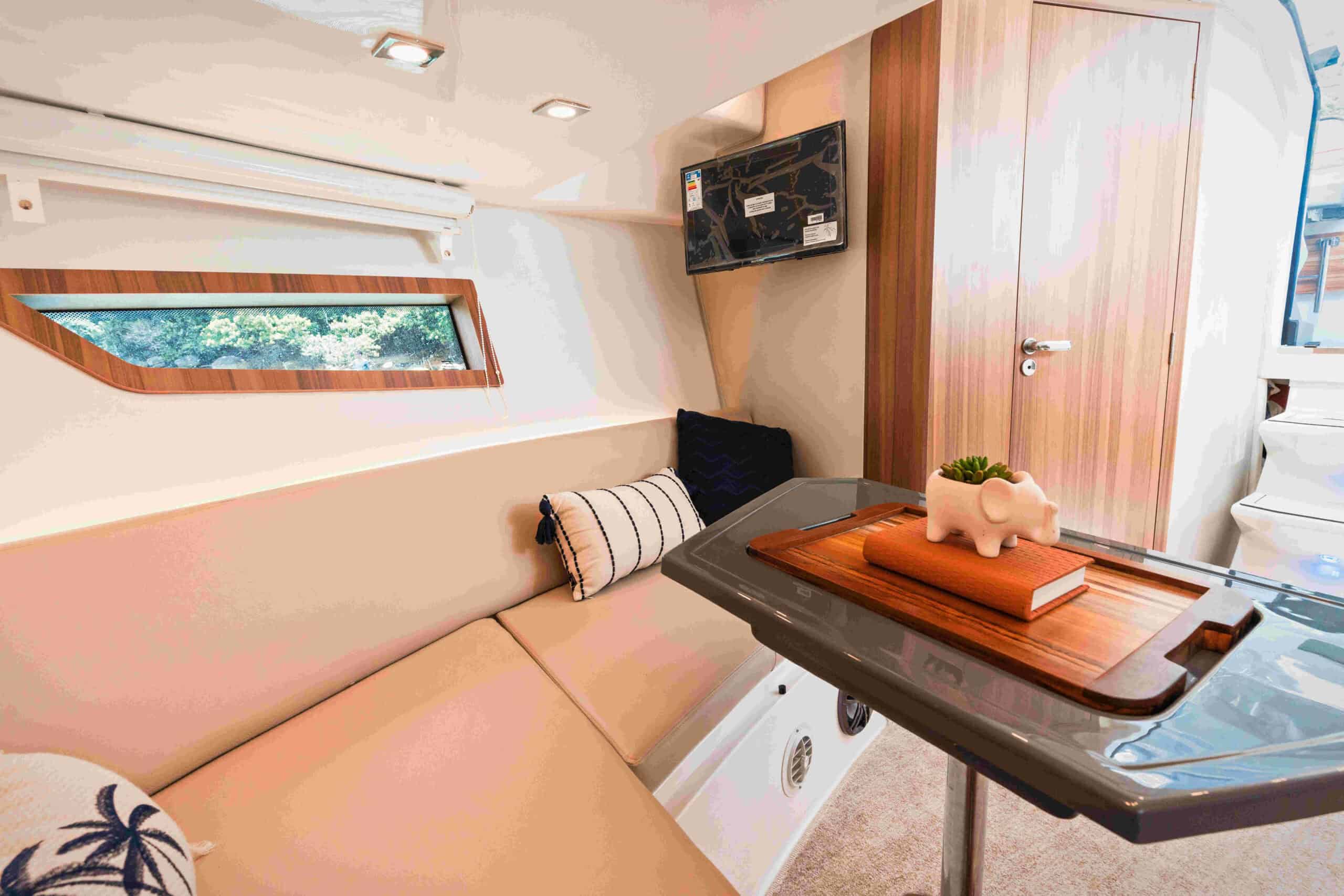
Picture your cruiser resting at the dock before sunrise. The cabin lights are soft, the deck is dry, and the water looks calm. This is the best time to notice small things that matter. Is the anchor secure? Are the dock lines ready to release? Is the VHF radio working? Are passengers wearing safe shoes? Is loose gear stored away? A peaceful start often leads to a better trip because nothing feels rushed.
Now picture the same boat returning later in the day. The sun is lower, the marina is busier, and the wind has picked up. This is when preparation shows its value. A captain who checked the route, watched fuel use, and kept the deck clear will handle the return with less stress. A cruiser should feel like a place of comfort, not confusion. The beauty of boating is real, but it is best enjoyed when the basics are handled first.
Follow the Rules of the Water
Navigation rules are like road rules, but for boats. The U.S. Coast Guard explains that these rules help boaters avoid collisions when vessels cross, meet head-on, or overtake each other. Every cruiser owner should understand right-of-way basics, safe speed, sound signals, lights, and lookout duties. Even if another boat makes a poor move, you still need to act early enough to avoid danger. Safe boating is about prevention, not proving who was right.
Keep a proper lookout at all times. That means watching with your eyes and ears, not just staring at the screen. Look for small boats, paddleboards, swimmers, floating debris, crab pots, wakes, and fast-moving traffic. At night, learn what different navigation lights mean. In fog or rain, slow down and use sound signals when required. If you are new to cruising, take a boating safety course. Training builds better habits and helps you react calmly when the water gets busy.
Keep Your Cruiser Ready with a Simple Pre-Departure Checklist
A cruiser has more systems than a small runabout, so small checks matter. Before leaving, inspect the engine space for fuel smell, oil leaks, loose belts, or standing water. Turn on the blower if your boat uses one and follow the maker’s instructions. Test the horn, VHF radio, navigation lights, bilge pump, and batteries. Check that hatches are closed, passengers are seated safely, and heavy items are not sliding around. These small steps can stop big problems before they begin.
Use this quick checklist before each trip:
- Check weather, tides, current, and route.
- Confirm enough fuel, plus a safe reserve.
- Make sure every person has a proper life jacket.
- Test the VHF radio, horn, lights, GPS, and bilge pump.
- Store loose bags, coolers, tools, and dock lines.
- Review basic rules with guests before leaving.
- Keep a first aid kit, fire extinguisher, and throwable device ready.
- Tell someone your plan and return time.
Do not treat the checklist like a boring habit. Treat it like part of being a good captain. Guests may not notice when everything goes right, but they will feel the calm that comes from a prepared boat. Granfort Boats USA recommends using the same routine every time, even for short rides. Most problems do not care how close you are to the dock.
Handle Speed, Wakes, and Weather with Care
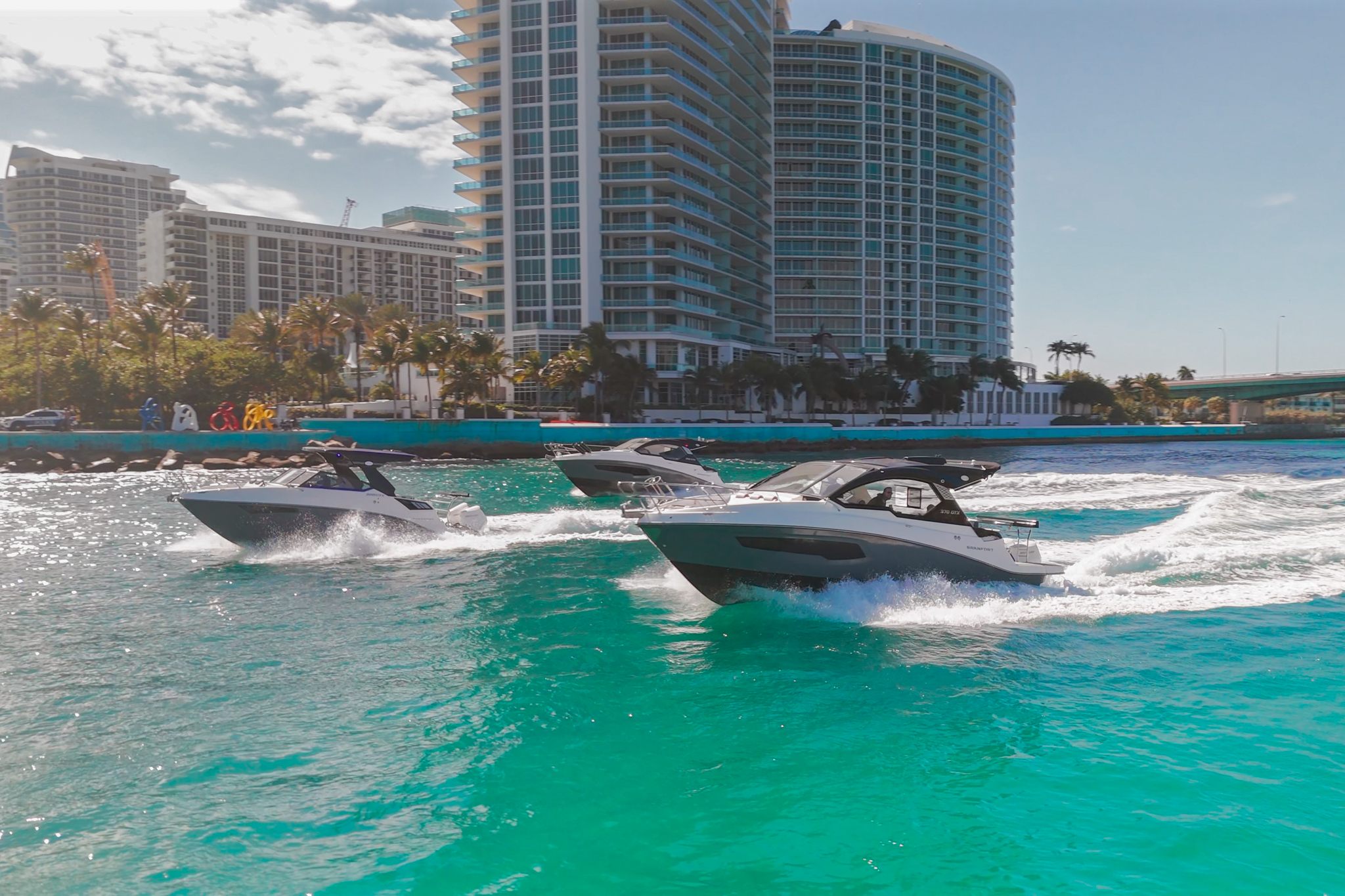
Speed should match the water, traffic, visibility, and your skill level. A cruiser may feel smooth at higher speeds, but it still needs room to stop and turn. Slow down near docks, swimmers, kayaks, sailboats, fuel docks, and crowded channels. Your wake can damage boats, rock people on paddleboards, or create danger near shore. Good captains think about the water behind them, not just the water ahead.
Weather is one of the biggest reasons plans change. Check the forecast before leaving, then keep watching the sky, wind, and water. Dark clouds, sudden gusts, building chop, falling temperature, or distant thunder are signs to take seriously. If conditions worsen, head back early or find safe shelter. Do not wait until everyone feels scared. A smart captain turns around while the choice is still easy.
Communicate Clearly with Guests and Crew
Guests may not know where to sit, what to hold, or how to move on a cruiser. Explain the basics before you leave the dock. Show them where life jackets are, where the head is, how to step safely, and what to do if you ask them to sit down. Make it clear that no one should stand on seats, block your view, lean over rails, or move around during docking without being asked.
Docking and anchoring are safer when people know their roles. One person can handle a line. Another can watch from a distance from the dock. Someone else can keep the children seated. Keep your voice calm and your instructions short. Panic makes simple tasks harder. If wind or current makes docking tricky, go around and try again. There is no shame in taking another pass. Safe and slow is always better than rushed and rough.
Final Thoughts: Safe Cruising Feels Better
Boat safety is not about fear. It is about making every trip smoother and more enjoyable. When your gear is ready, your route is clear, and your guests know what to do, cruising feels easier. You can enjoy the water instead of worrying about every sound, wave, or marker. Good preparation gives you freedom because you are not guessing your way through the day.
Granfort Boats USA believes every cruiser owner should build safe habits from the start. Check your boat, know your navigation tools, follow the rules, respect the weather, and keep learning. The water can change fast, but a prepared captain is never helpless. The safest trips often feel simple because the hard work happened before the engine ever started.