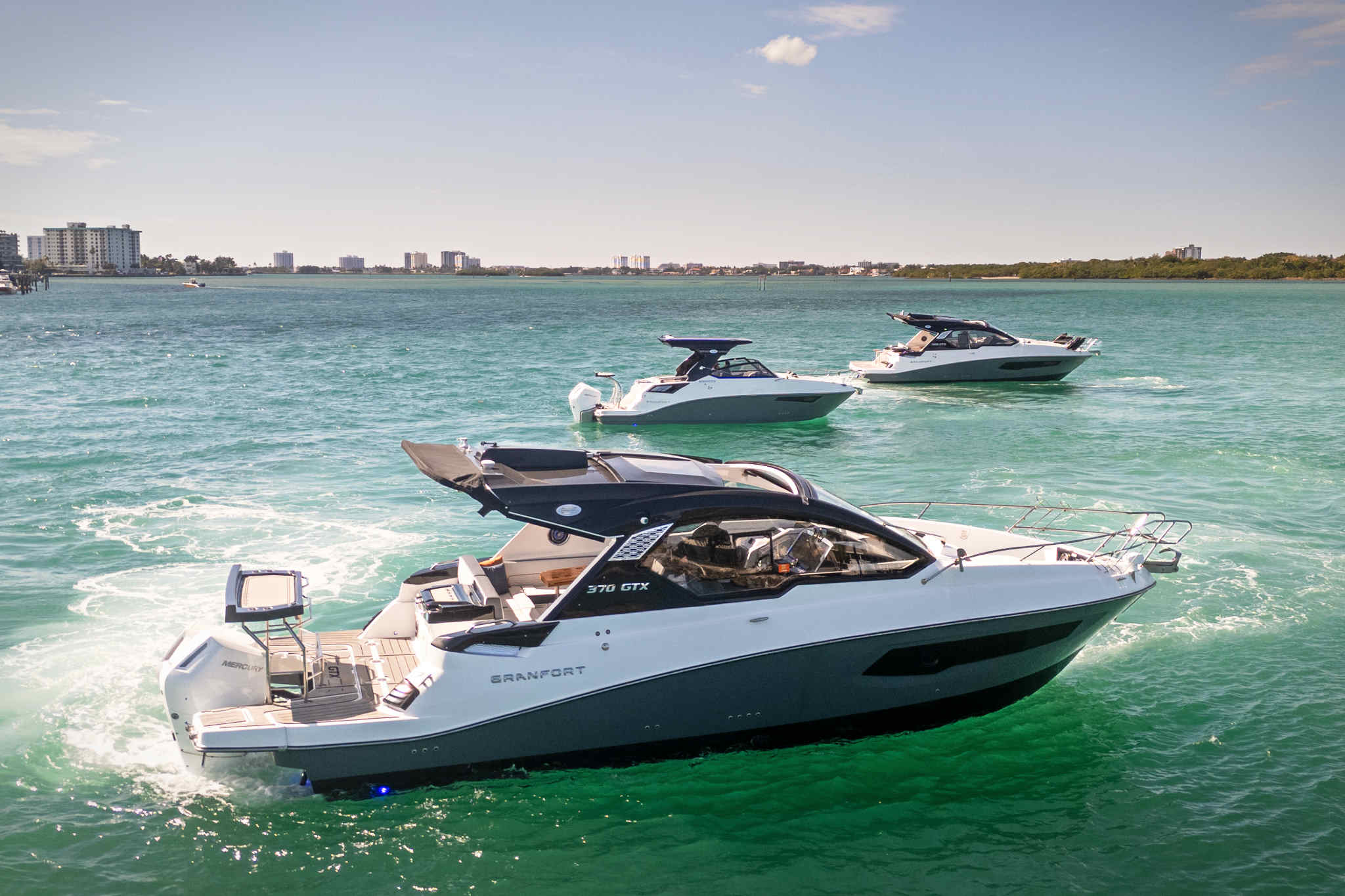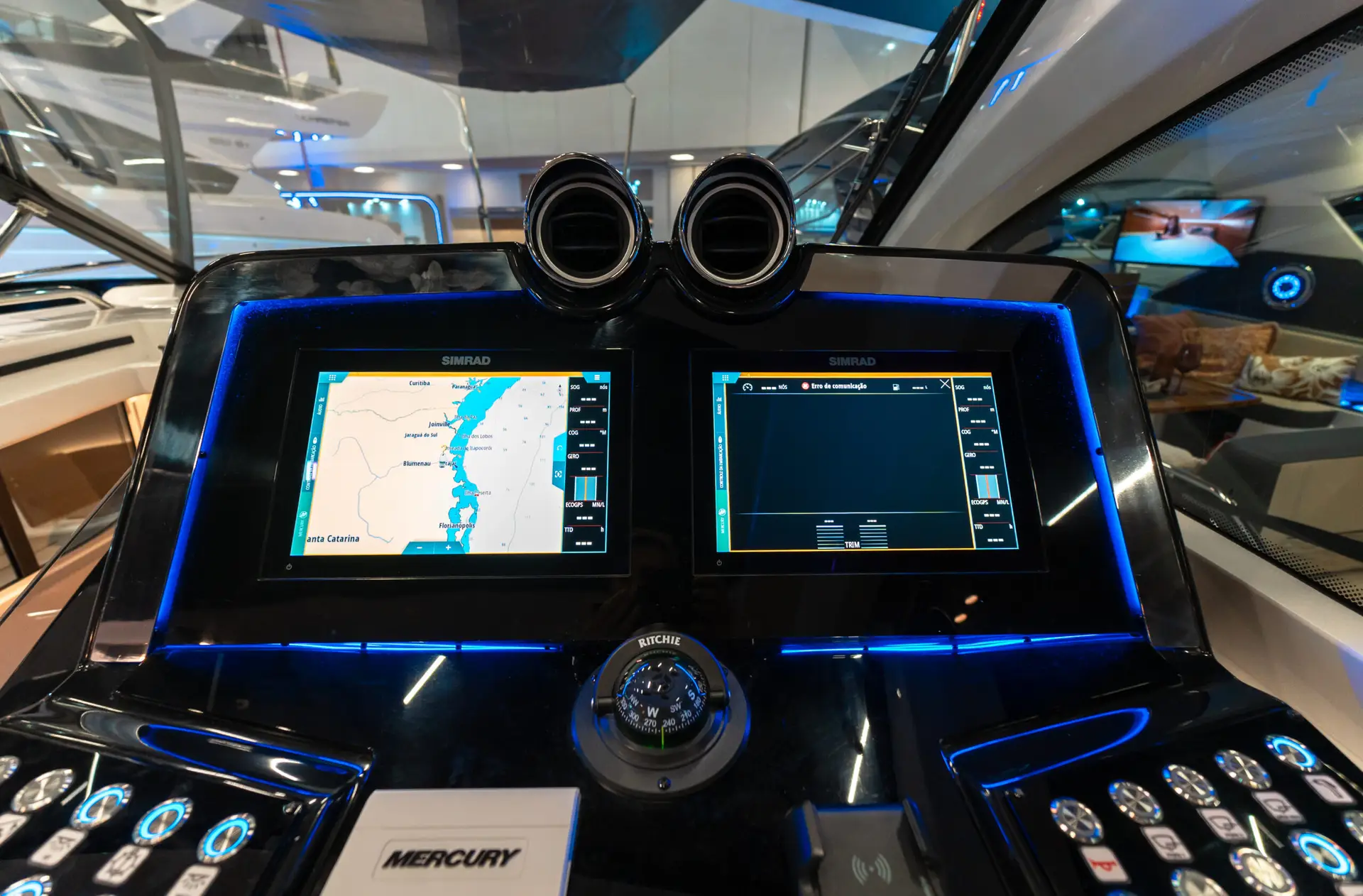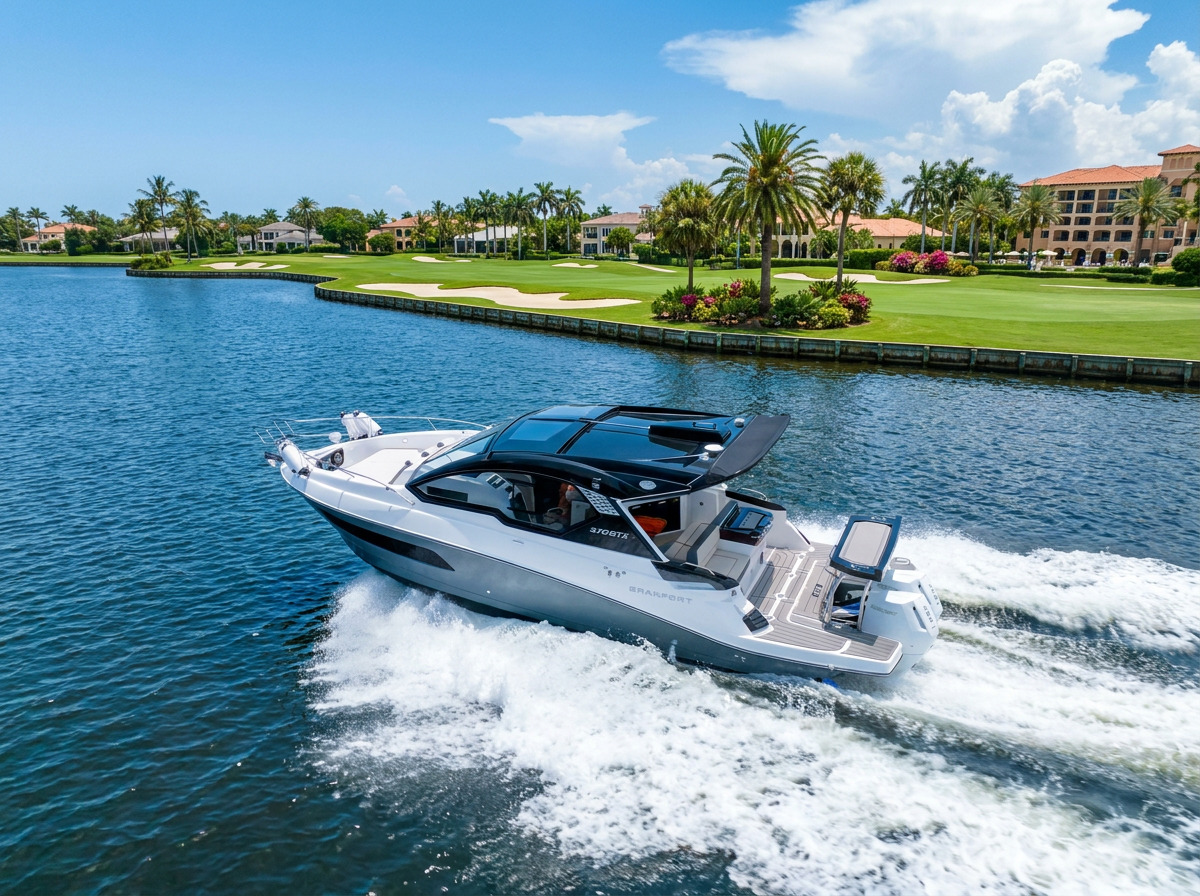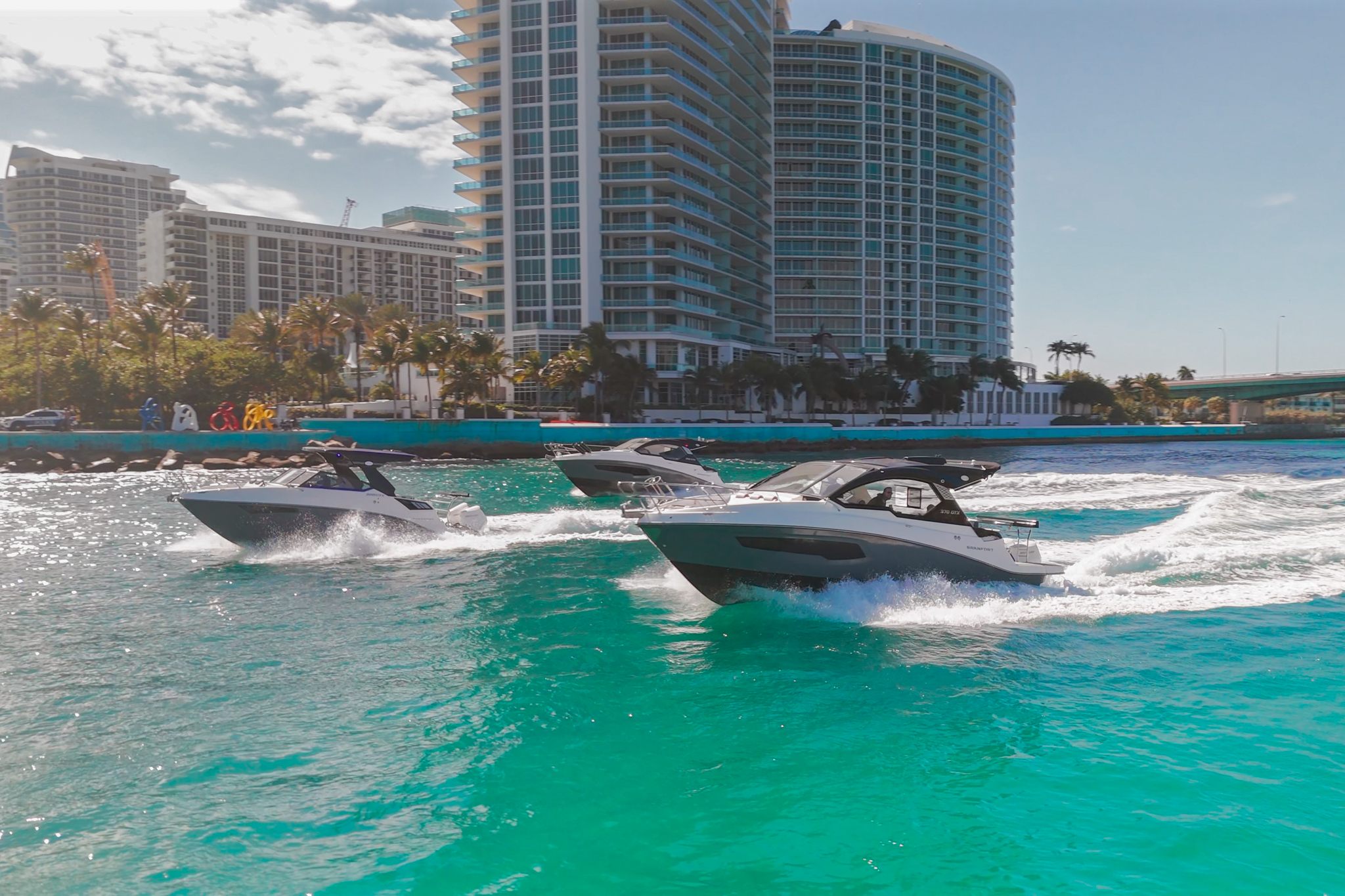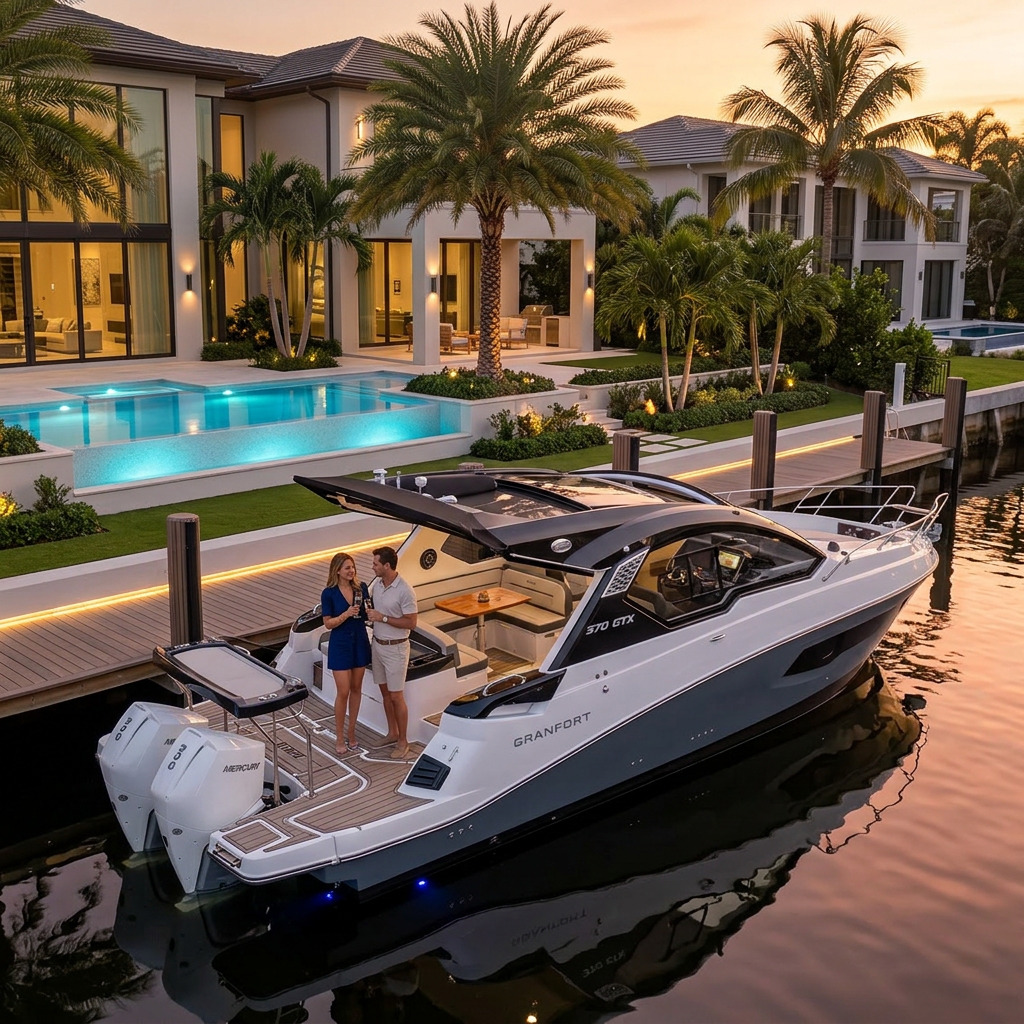
Your first sea trial is more than a fun ride. It is your chance to see how a boat truly performs on the water before you make a final choice. Photos, listings, and dockside checks can only tell you so much. A sea trial shows how the boat starts, turns, planes, handles waves, and feels at different speeds. Granfort Boats USA created this simple guide to help you walk into your first sea trial prepared, calm, and ready to ask the right questions.
What Is a Sea Trial and Why Does It Matter?
A sea trial is a test run on the water before buying a boat. It is similar to test-driving a car, but it gives you much more to check. A boat may look clean at the dock, but the real test starts when the engine is under load, the hull meets chop, and the systems are in use. During the sea trial, you can see how the boat starts from cold, shifts into gear, reaches cruising speed, turns, stops, and reacts to normal boating conditions. You can also notice vibration, smoke, strange sounds, slow acceleration, steering issues, or weak electronics. These things are hard to judge from a listing or a quick walkaround.
For a first-time buyer, a sea trial can protect you from a costly mistake. It helps you understand if the boat matches your skill level, comfort needs, and planned use. A family cruiser should feel steady and safe. A fishing boat should have open space and good control. A performance boat should feel balanced, not scary. Granfort Boats USA always suggests treating the sea trial as a serious inspection, not just a pleasant ride. Go in with notes, stay alert, and do not let excitement make you ignore warning signs.
What to Do Before the Sea Trial
Before the sea trial, gather as much information as you can. Ask for the boat’s service records, engine hours, ownership history, and any recent repairs. Check if the boat has had major work, such as engine rebuilds, new electronics, fuel system repairs, or hull repairs. If the boat has been sitting for a long time, ask why. A clean boat is nice, but clean cushions and fresh wax do not prove mechanical health. You need to know how the boat has been used, stored, and maintained. This gives you a better idea of what to watch during the trial.
You should also plan the day with care. Try to test the boat in normal boating conditions, not only on perfectly flat water. Bring a notebook or use your phone for notes. Wear soft-soled shoes, dress for wind and spray, and bring a jacket if needed. Make sure the seller, broker, or captain knows what you want to test, including speed, steering, trim, electronics, and docking. If you are serious about buying, consider bringing a marine surveyor or mechanic. Their trained eye can catch issues that a new buyer may miss.
Sea Trial Checklist: What to Bring and Check
A sea trial feels easier when you have a clear checklist. Without one, it is easy to get distracted by the view, the sound of the engine, or the excitement of being on the water. You do not need to act like an expert, but you should stay organized. Check basic comfort, safety, systems, engine response, and handling. Pay attention to small details. A loose hatch, a weak bilge pump, a stiff steering wheel, or a fuel smell may point to a bigger issue. One small sign does not always mean trouble, but it should lead to better questions.
Use this simple checklist during your first sea trial:
- Bring a notebook, phone, sunglasses, jacket, and soft-soled shoes.
- Check engine start-up, idle sound, smoke, smell, and vibration.
- Test forward, neutral, and reverse shifting.
- Watch how fast the boat gets on plane.
- Check steering at slow speed and cruising speed.
- Test trim tabs, gauges, GPS, radio, lights, and bilge pump.
- Look for water in the bilge after running.
- Notice seat comfort, visibility, noise level, and deck movement.
- Ask about any sounds, delays, warning lights, or strange smells.
- Take notes before you forget details.
After the run, do not rush your decision. Step back on the dock and look at the boat again. Check the engine area if it is safe to do so. Look for leaks, hot smells, loose belts, or fresh fluid under the engine. Ask if anything during the test felt different from normal. A good seller should answer calmly and clearly. If answers feel rushed or unclear, take your time. The sea trial is not only about how the boat runs. It is also about how honest and prepared the seller seems.
Watch the Engine, Steering, and Handling
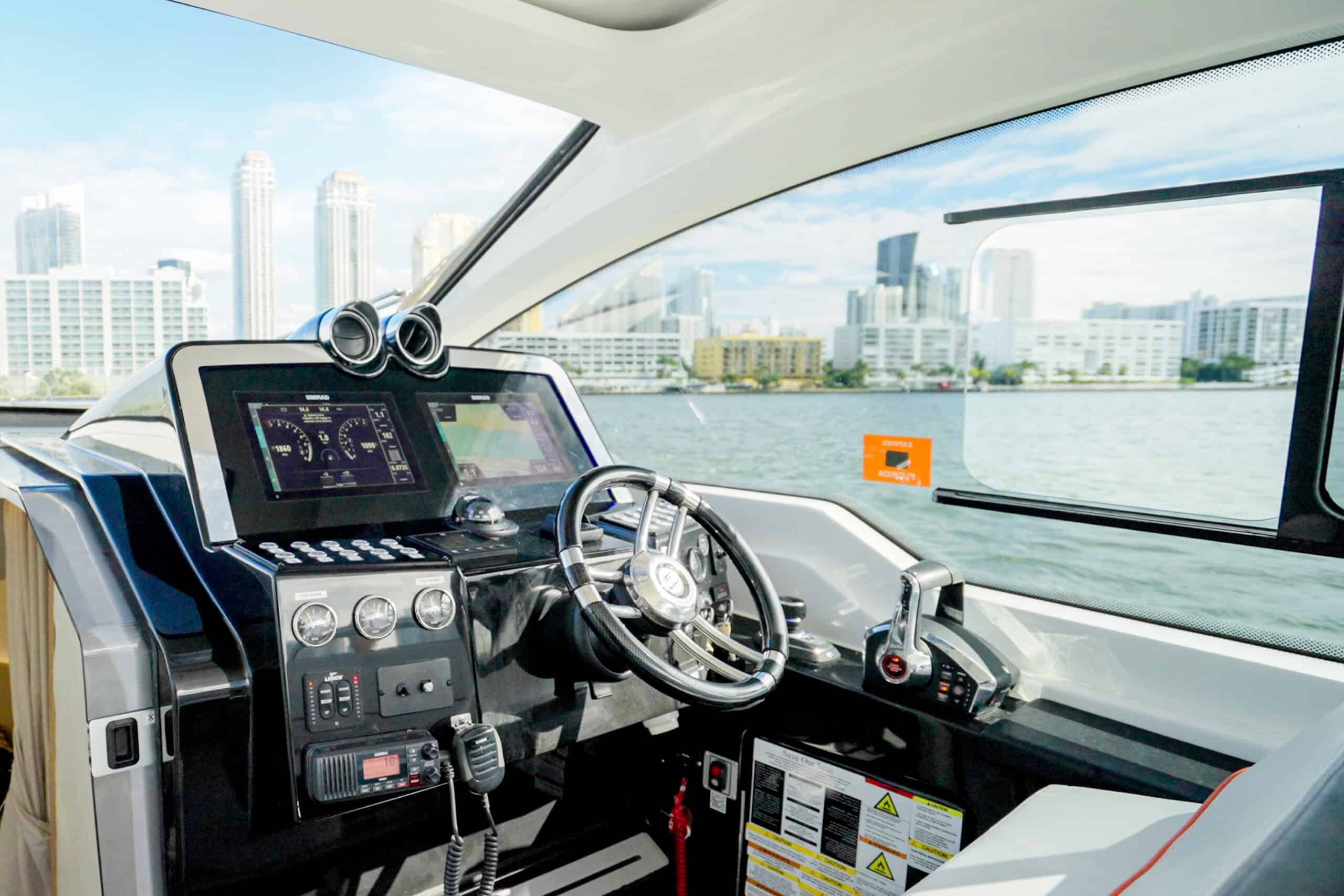
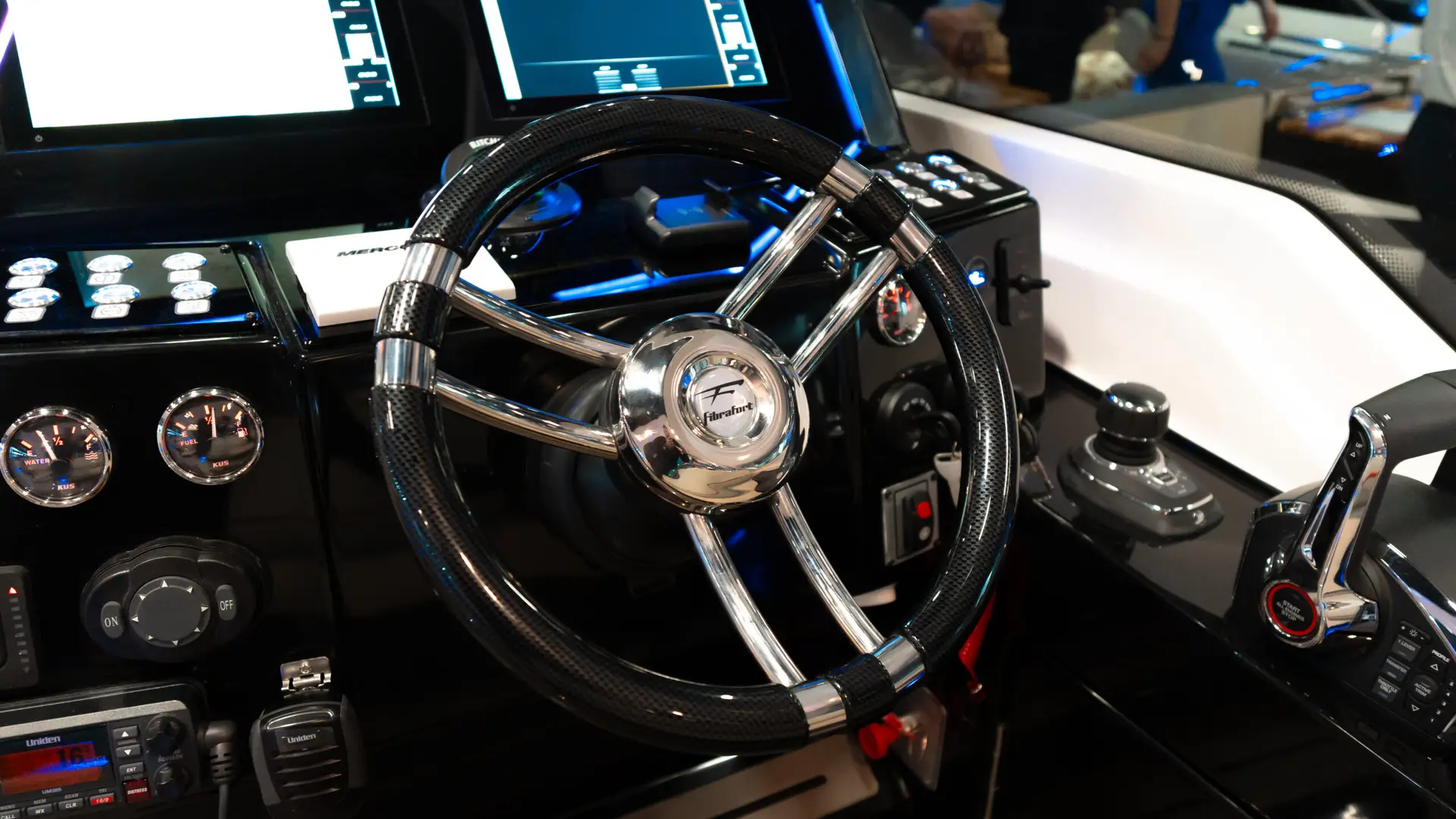
The engine is one of the most important parts of the sea trial. Start by noticing how it fires up. A healthy engine should not struggle for a long time before starting. At idle, listen for uneven sounds, shaking, knocking, or rough running. When the boat moves, the engine should respond smoothly as power increases. Hard hesitation, heavy smoke, strong fuel smell, or sudden warning alarms should not be ignored. Watch the gauges too. Oil pressure, temperature, voltage, and RPM readings should stay within the proper range for that boat and engine.
Handling matters just as much. At slow speed, the boat should shift cleanly and respond without too much delay. When turning, it should feel controlled, not loose or unstable. At cruising speed, notice if the wheel pulls hard to one side or if the boat leans more than expected. Test trim and trim tabs if the boat has them. They should help the boat ride better, not hide a problem. Also, watch how the boat crosses small waves or wakes. A good sea trial shows whether the boat feels safe, balanced, and comfortable for the way you plan to use it.
A Clear Morning, Open Water, and the Moment the Boat Tells the Truth
Picture the boat leaving the dock in the early morning. The air is cool, the water has a light ripple, and the engine settles into a steady sound. This is the moment when the boat starts telling you the truth. It may look perfect in photos, but the water reveals how it really feels. You notice the view from the helm, the way the bow rises, how quickly it gets on plane, and whether guests can sit without sliding or holding on too tightly. These small moments matter because they show real-life comfort.
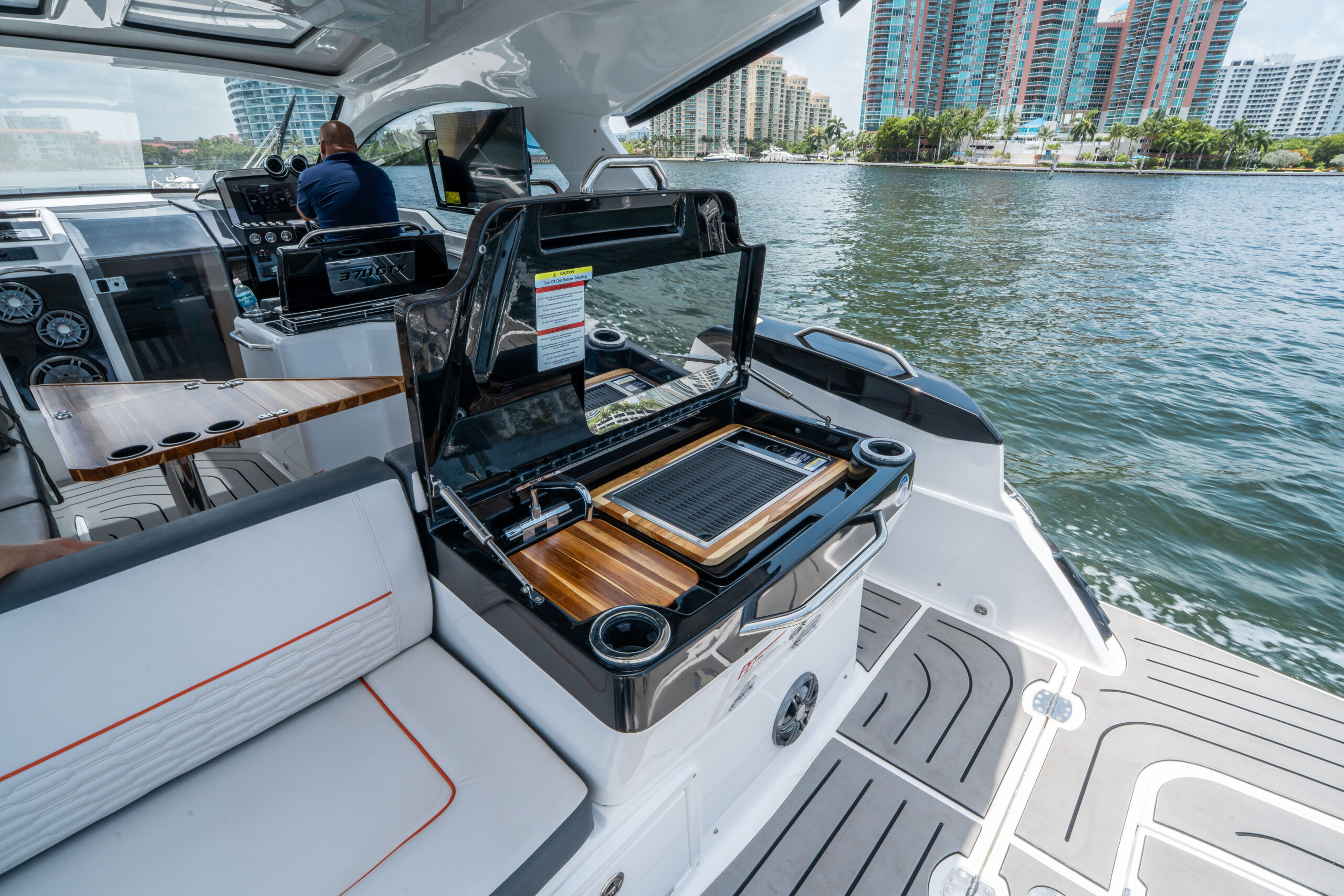
This is also when you should imagine your normal boating day. Will you bring family? Will you cruise for hours? Will you fish, anchor, swim, or entertain guests? A boat that feels exciting for ten minutes may not feel right for a full day. Check if you can see clearly from the helm. Notice if the cockpit feels safe. Listen to how loud the engine is while talking. Look at how easy it is to move around. The best boat is not just the one that runs fast. It is the one that feels right after the excitement settles.
Questions to Ask During and After the Sea Trial
Good questions can save you money and stress. Ask the seller how the boat normally performs, including cruising speed, top speed, fuel use, and engine temperature. Ask when the engine, drive, or generator was last serviced. If the boat has outboards, ask about service history, prop condition, and lower unit maintenance. If it has inboards or sterndrives, ask about cooling systems, belts, hoses, shaft seals, and recent inspections. Keep the tone friendly, but be direct. You are not being difficult. You are making a careful buying decision.
After the sea trial, ask what issues are already known. Every used boat has some wear, so honest answers are important. Ask if anything needs repair now or soon. Ask if the electronics, pumps, lights, batteries, charger, air conditioning, and plumbing all work. If the boat did not reach the expected RPM, speed, or temperature range, ask why. Granfort Boats USA recommends writing down answers before you leave. Later, you can compare the notes with the survey report, repair estimates, and your budget. Clear answers make the next step easier.
Common Mistakes First-Time Buyers Should Avoid
One common mistake is falling in love too fast. A beautiful boat can make you overlook problems. Fresh detailing, new seat covers, or shiny gelcoat may look great, but they do not replace good maintenance. Do not judge the boat only by style. Listen closely. Feel how it handles. Look behind panels when possible. Check the bilge, storage areas, wiring, hatches, and hardware. If the boat feels wrong on the water, do not talk yourself into it just because the price seems fair.
Another mistake is skipping expert help. A sea trial is important, but it is not the same as a full marine survey. A surveyor checks structure, systems, safety gear, moisture concerns, and many details that buyers often miss. A mechanic can inspect the engine more deeply. Also, do not forget the true cost of ownership. Fuel, service, insurance, dockage, storage, cleaning, and repairs all add up. A good boat should fit your life after you buy it, not just on sea trial day.
Final Thoughts: Choose the Boat That Feels Right and Checks Out
Your first sea trial should leave you with more clarity, not more confusion. A good boat should start well, run smoothly, steer with control, and feel comfortable for your planned use. It should also match the records, seller’s claims, and your budget. If something feels off, slow down and ask more questions. There will always be another boat, but there may not be an easy way to undo a rushed purchase.
Granfort Boats USA believes a smart sea trial is one of the best steps in the boat-buying process. Prepare before you go, use a checklist, pay attention to the water, and review everything after the ride. Trust what you see, hear, and feel. The right boat does not need pressure or guesswork. It should make sense at the dock, on the water, and in your long-term ownership plan.